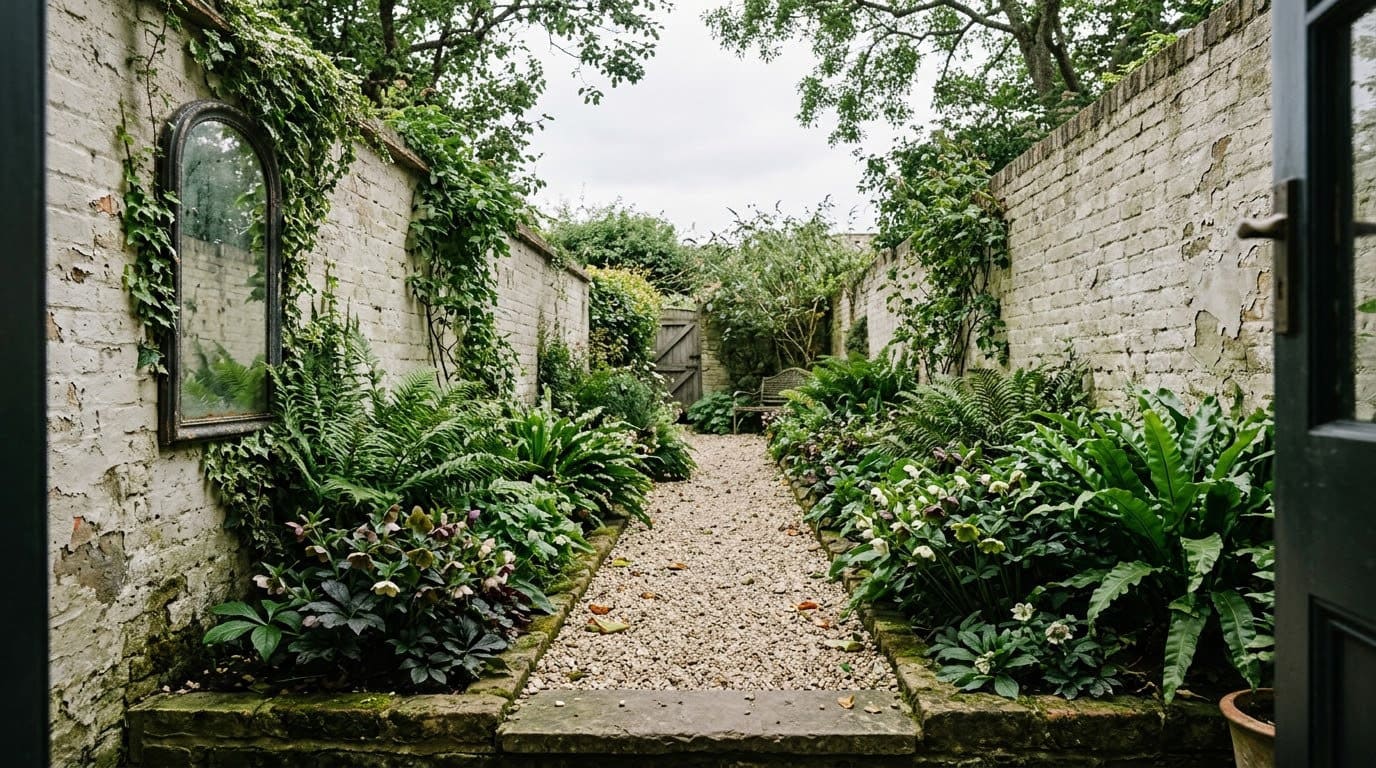
5 Reasons Your Narrow Side Yard Is Wasted Space (And the One Layout Change That Fixes It)
Your side yard isn’t ugly, it’s just never had a job, and one layout change is usually all it takes to give it one.
Welcome to our blog’s advice on growing plants. Here you’ll find tips to green your thumb, whether you’re new to gardening or want to take your skills up a notch.
We dish practical guidance from planting to harvest. Learn how to start seeds, deal with pests safely, and reap abundant veggies and blooms.
Our farming experts break information down into simple steps. Follow their instructions to grow thriving container or raised bed gardens that fit your space.
Stop by regularly as we add new posts to help your garden thrive! We want to see you succeed at urban farming right at home.
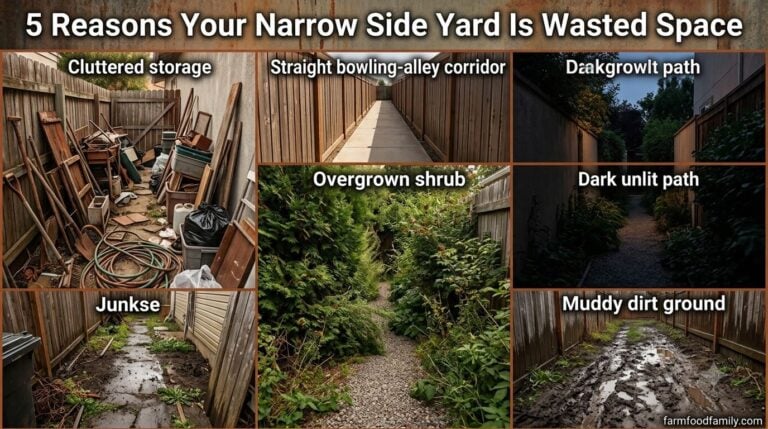
Your side yard isn’t ugly, it’s just never had a job, and one layout change is usually all it takes to give it one.
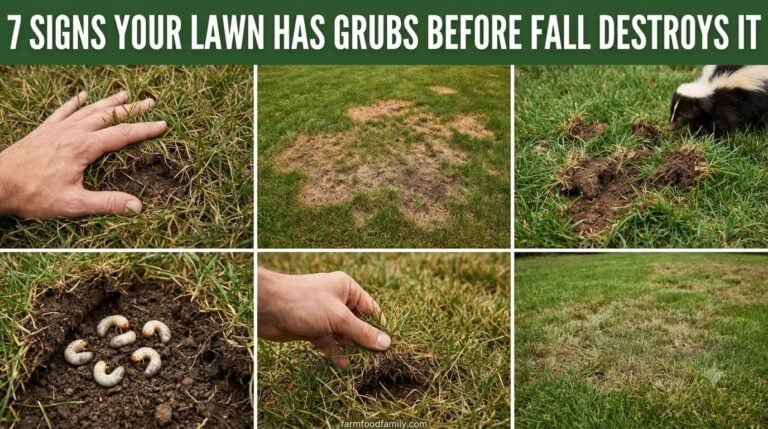
Spongy turf and random brown patches aren’t always drought, and if you wait for the lawn to look “obviously dead,” the grubs already won.

Cover crops turn a bare, tired garden bed into free fertilizer and erosion insurance over winter, as long as you match the right species to your first-frost date and know which ones need mowing down before you plant in spring.
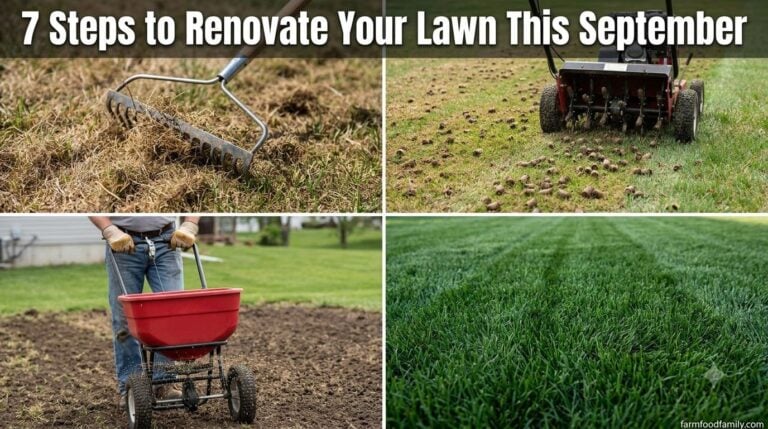
Follow this exact 7-step September sequence, in order, and a patchy, tired lawn can come back thick enough by spring that the neighbors ask what you did differently.
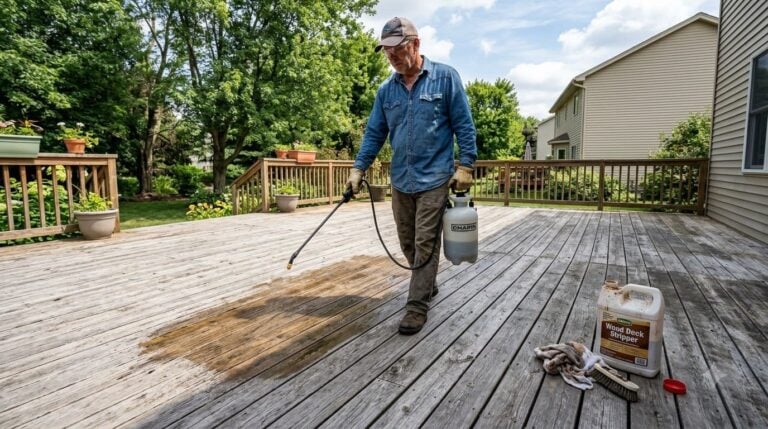
If your deck stripper is drying into a crusty film before you can scrape it, you’re using the wrong chemistry for what’s actually on your wood, and these 7 picks fix that.

A pumpkin or winter squash won’t ripen any further once it’s off the vine, so the trick is catching the right week, not guessing and hoping for the best.
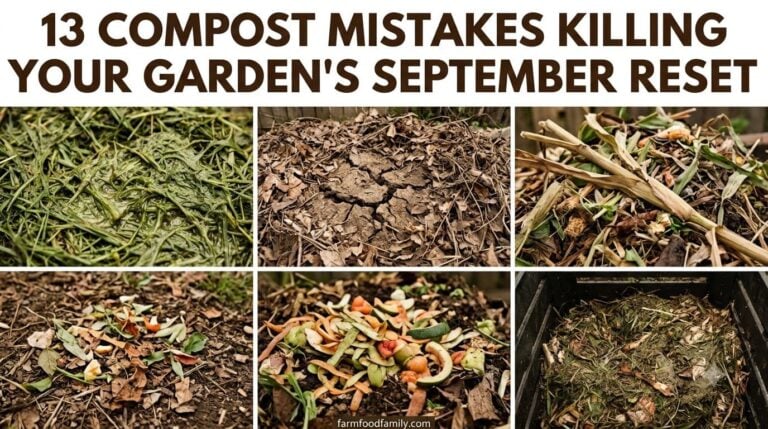
September dumps a season’s worth of garden debris on your pile all at once, and that’s exactly when a small compost mistake turns into a slimy, smelly one.
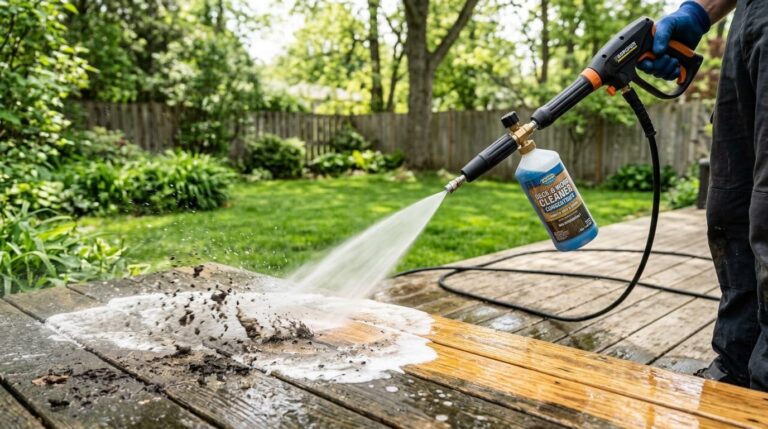
The right deck cleaner turns a gray, grimy deck back into a place you actually want to sit, as long as you match the formula to your deck material instead of grabbing whatever’s on the shelf at the hardware store.
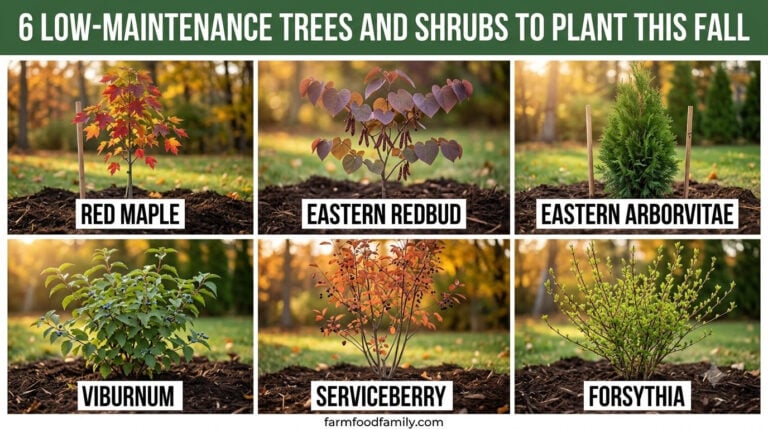
September planting gives roots a six-to-eight-week head start before winter, as long as you pick the right six plants and skip the broadleaf evergreens that still need spring.
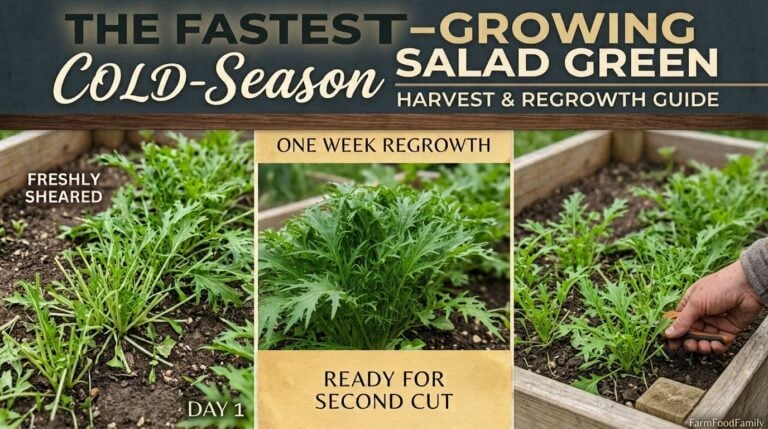
These five greens actually get sweeter as the thermometer drops, so the trick isn’t rushing to harvest before frost, it’s knowing which ones can shrug off a hard freeze and which ones fold at the first light one.

A good splitting maul turns a winter’s worth of firewood into an afternoon job, as long as you match the head weight to your own strength instead of grabbing the heaviest one on the shelf.
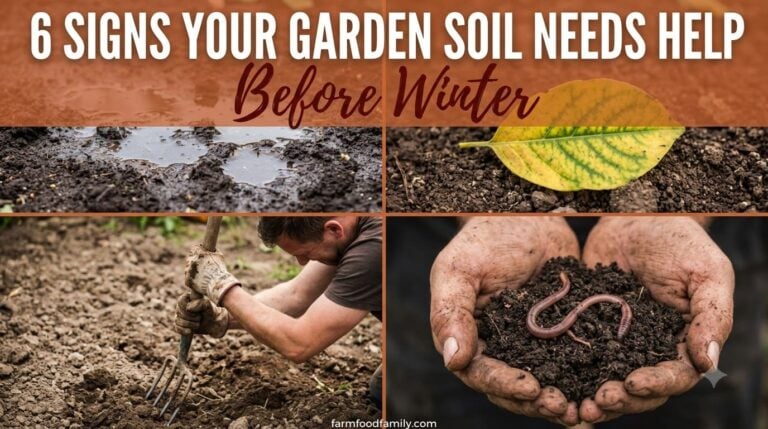
Garden soil breaks down quietly all season long, and fall is the one window where you can actually fix it before the ground freezes solid.

The right outdoor broom depends on what you’re actually sweeping, concrete wants different bristles than a wood deck, and the wrong match wears out both the broom and your patience.

The compass direction is only half the story, the same still water feng shui treats as a wealth magnet is also, biologically, the single most effective mosquito nursery in your entire yard.
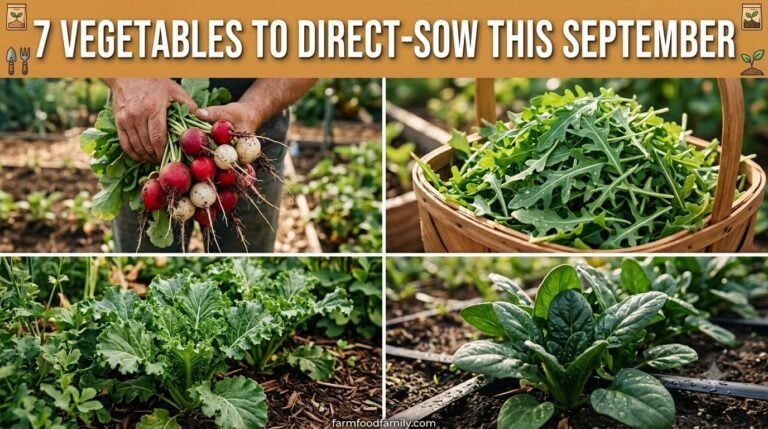
September isn’t too late to plant from seed, but three of these seven only work if your first frost lands in October or later, so the real question is which ones you can still pull off where you live.
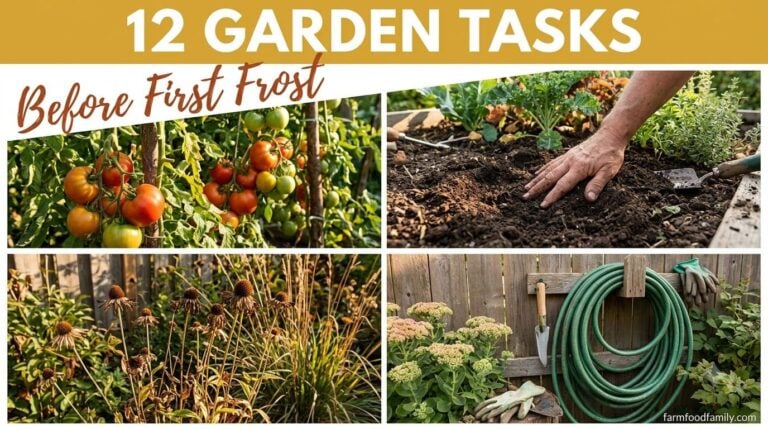
A little September prep saves your tomatoes, your lawn, and next year’s flowers, but do these 12 tasks in the wrong order and you’ll undo half the work.

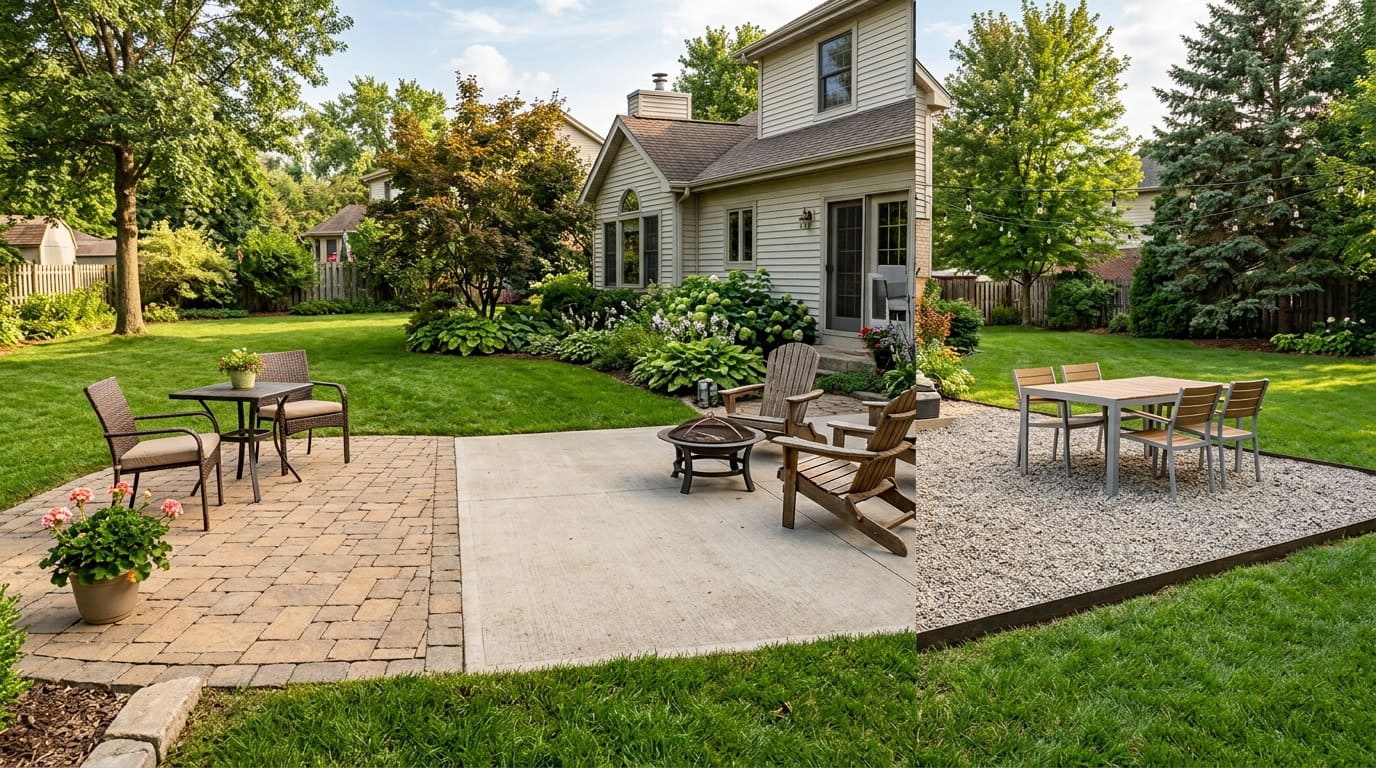
A square backyard isn’t actually small, it just repeats its own fence line until you break the geometry on purpose, and these nine fixes show exactly how.
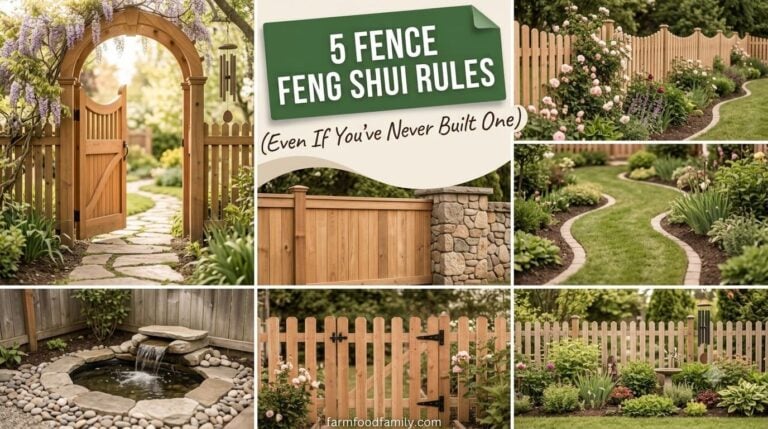
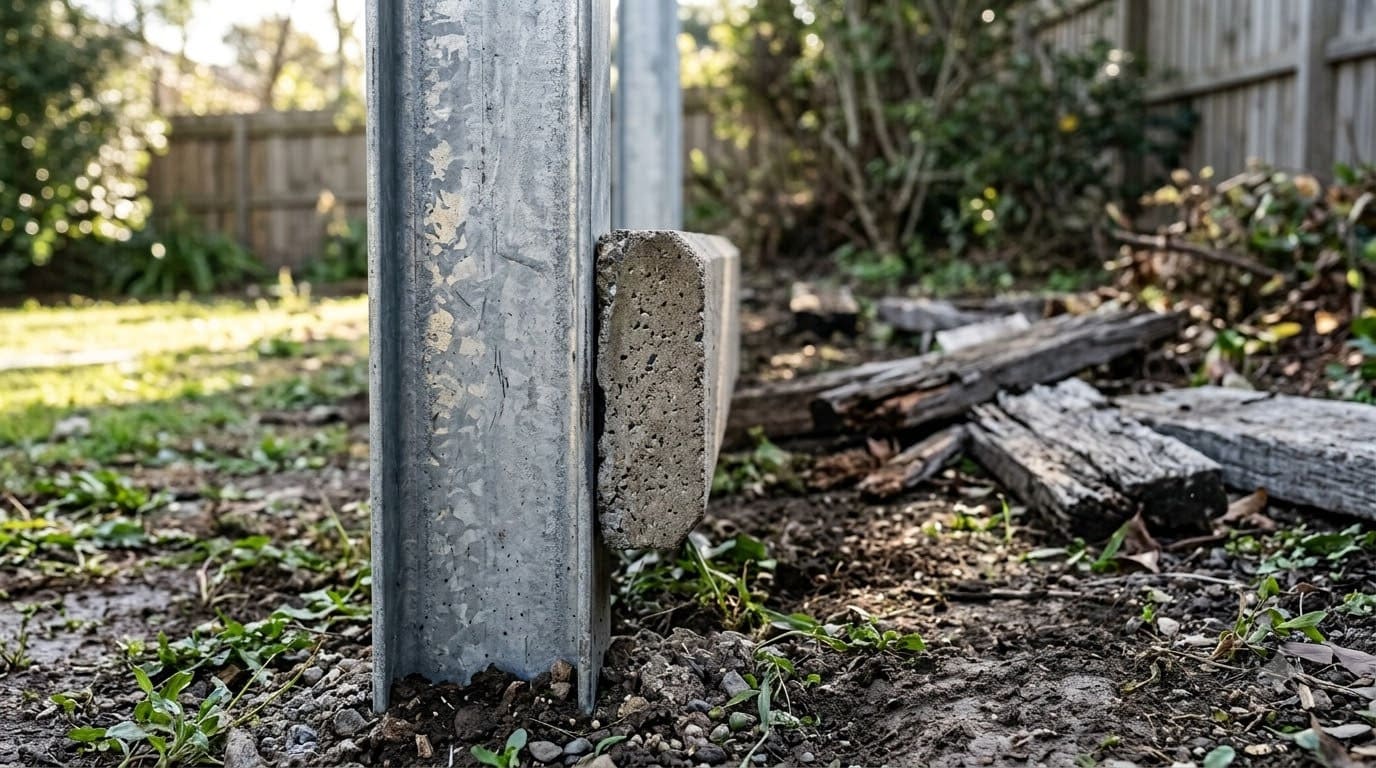
A fence is one of the few structures feng shui treats as pure boundary protection, and the real property-line and code questions behind it matter just as much as the height and material questions everyone actually asks about.
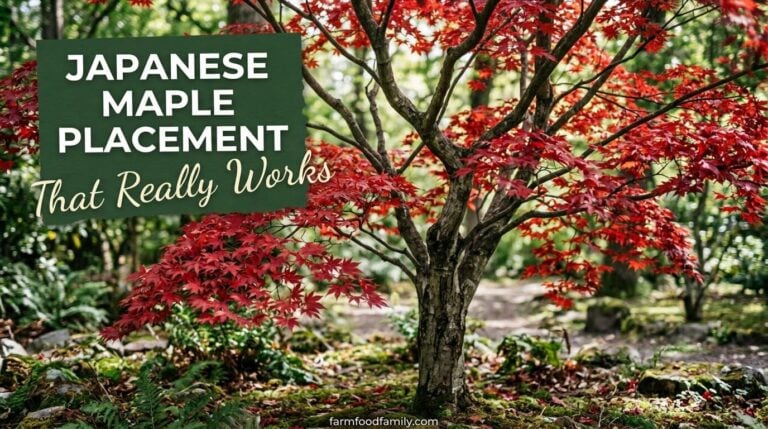
A Japanese maple’s whole feng shui reputation rests on its wood element and its color, but the real placement mistakes that kill or scorch one have nothing to do with compass direction.
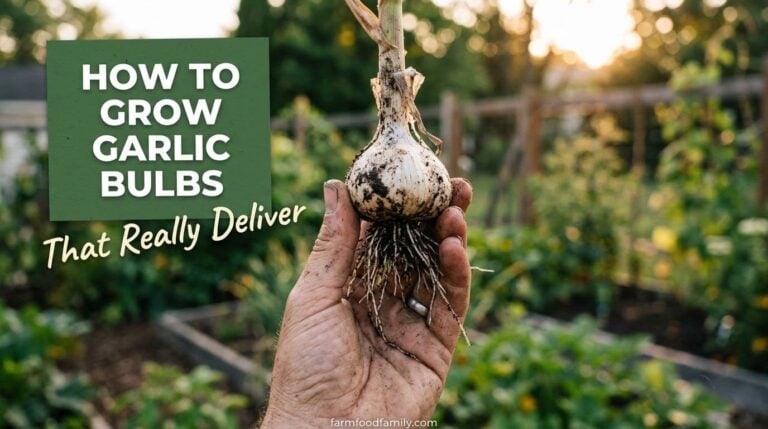
Fresh garlic from your own backyard tastes nothing like the shrink-wrapped bulbs at the store, and honestly, growing it is easier than most people expect.

A garden built from leaf color and texture instead of flowers looks good in January too, but it will not solve your allergies on its own.