
20 Stunning DIY Garden Art Projects From Bottles, Wire, Concrete, and Clay
Garden art turns scrap, glass, and clay into focal points, as long as you seal it for weather and handle cement, wire, and glass safely.

Never miss an update — choose FarmFoodFamily as your preferred source on Google.
How it works: Tap the button below to open Google's settings page, then check the box next to FarmFoodFamily.
Tap the checkbox to turn it blue — that's how you know it's set.
Garden art turns scrap, glass, and clay into focal points, as long as you seal it for weather and handle cement, wire, and glass safely.
Products We Recommend
This post contains affiliate links. We may earn a commission on qualifying purchases at no extra cost to you.


COOLJOB A3 Cut Resistant Work Gloves, Nitrile Coated
Cut-resistant gloves for glass, wire, and cut metal
Shop Now
Garden art is how a yard gets a personality. A bottle tree catches the light, a wire dragonfly hovers over the beds, and a glass chandelier swings from a branch. Most of it is built from scrap, so the cost stays low.
Outdoor art has to survive sun, rain, and frost, and some materials need care to handle. This guide gives you 20 projects with the build, the sealing, and the safety notes. Where a topic has its own guide, we link to it.
In this article
Answer 4 quick questions and get matched to the exact fix for your yard — drainage, budget, layout, or something else entirely.
Take the Free QuizWhat’s the Quick Answer for Garden Art That Lasts?
Match the material to the weather, then seal it. That one rule saves most garden art from fading, flaking, or falling apart in the first season. Glass and glazed pieces last outdoors, while paint and wood need a clear exterior sealer on top.
The Sustain My Craft Habit blog says regular acrylic paints not made for outdoors need a durable exterior clear spray. It calls DecoArt Multi-Surface Satin a self-sealing indoor and outdoor paint.
Protect your hands and lungs. Helen Dawson of Fine Gardening says Portland cement irritates skin and advises rubber gloves. She also advises a dust mask for the dust.
Round off sharp edges on glass and wire, and set tall pieces in firm ground. Most pieces cost a few dollars in scrap, so a failed first try costs little. Start with one easy project, learn how your materials behave outdoors, and then build bigger.
Which Material Suits Which Project?
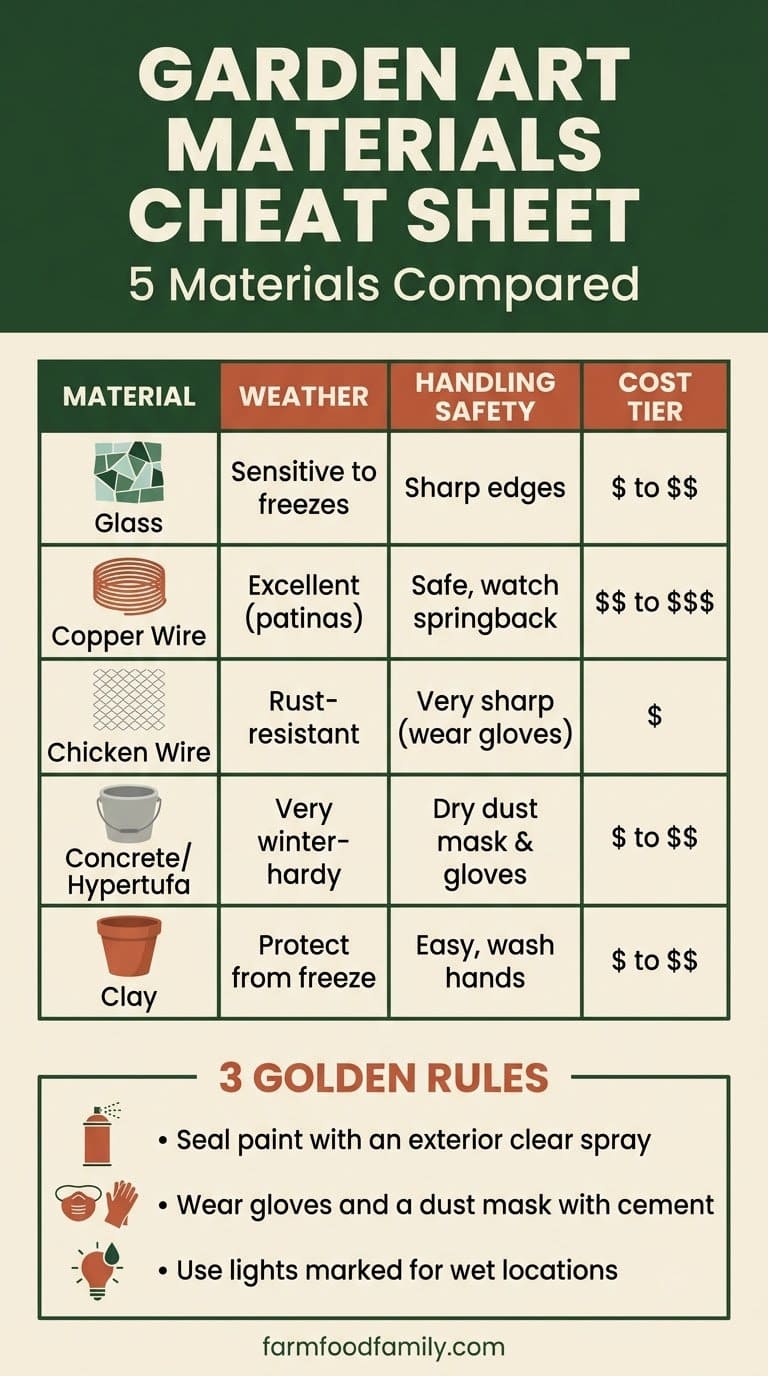
This table is our own planning guide. The glass, ceramic, and cement rows come from the sources linked in this article. The other rows are general practice.



| Material | Weather | Handling | Cost tier |
|---|---|---|---|
| Glass bottles and gems | Holds up well | Sharp when broken | Very low |
| Copper wire | Weathers to a green patina | Cut ends are sharp | Low |
| Chicken wire | Rusts without a coat | Cut ends are sharp | Low |
| Concrete or hypertufa | Holds up outdoors | Cement irritates skin | Low to medium |
| Clay and terracotta | Needs a sealer | Cracks in freezing | Low |
| Plastic bottles | Fades and cracks in sun | Light and easy to cut | Very low |
Most yard problems trace back to one specific, fixable cause. Find yours in 4 quick questions.
Take the Free QuizBefore You Start: Tools, Safety, and Sealing
Wear safety glasses and gloves for glass, wire, and cement. Work outdoors for cement, since the dry mix is dusty. File the cut ends of wire, and wrap them.
Check how the piece will stand. Tall pieces need a stake driven deep into firm ground. Light pieces need wind in mind.
Seal what needs sealing. Paint pens need outdoor sealing to keep their color, says Sustain My Craft Habit. Clay pieces also take a clear exterior spray.
Hanging lights need the right rating. The UL Luminaires Marking Guide defines a wet location as one where water may drip, splash, or flow on electrical equipment. Only fixtures marked “Suitable for Wet Locations” belong there.
Which Projects Are Best for Beginners?
Start with the ones that need no cement and no cutting tools. Bottle-cap flowers, painted-ball ladybugs, and the painted owl rock are the easiest. They need paint, glue, and a sealer.
Move up to the bottle tree and the clay-disk wind chimes next. They need a little setup but no special tools. Save the concrete projects and the wire work for later, because they need gloves, a mask, and more care.
Pick a project that fits the time you have. Most of these finish in an afternoon, but concrete and clay need extra days to cure or dry.
Soft bare copper wire for wire flowers and wrapping
Shop NowThis post contains affiliate links. We may earn a commission on qualifying purchases at no extra cost to you.
How Do You Handle Glass and Wire Safely?
Wear cut-resistant gloves and safety glasses any time you handle glass or cut wire. Work on a table or a mat, not on the grass, where you could lose a shard.
File or wrap every cut wire end. Check bottle necks and chipped glass by running a gloved finger over them. Keep children and pets away from the work area until you sweep up.
The average homeowner spends $616/year on yard fixes that don't address the real problem. Find out what yours actually is — before you spend another dollar.
Take the Free QuizSet finished pieces where people will not brush against them. Raise sharp-edged pieces above hip height, or wrap the edges in tape or sealant.
How Do You Care for Garden Art Through the Year?
Check each piece in fall. Sustain My Craft Habit says paint pens and regular acrylics need outdoor sealing, so reseal any chipped paint before winter.
Bring clay, plastic, and anything with a thin finish indoors before a hard freeze. Leave glass and concrete out if they are sealed. Wipe off dirt and dust, and look for loose glue or cracks.
Touch up in spring, and reposition pieces so they catch the new season’s light.
20 DIY Garden Art Projects
1. Garden Chandelier
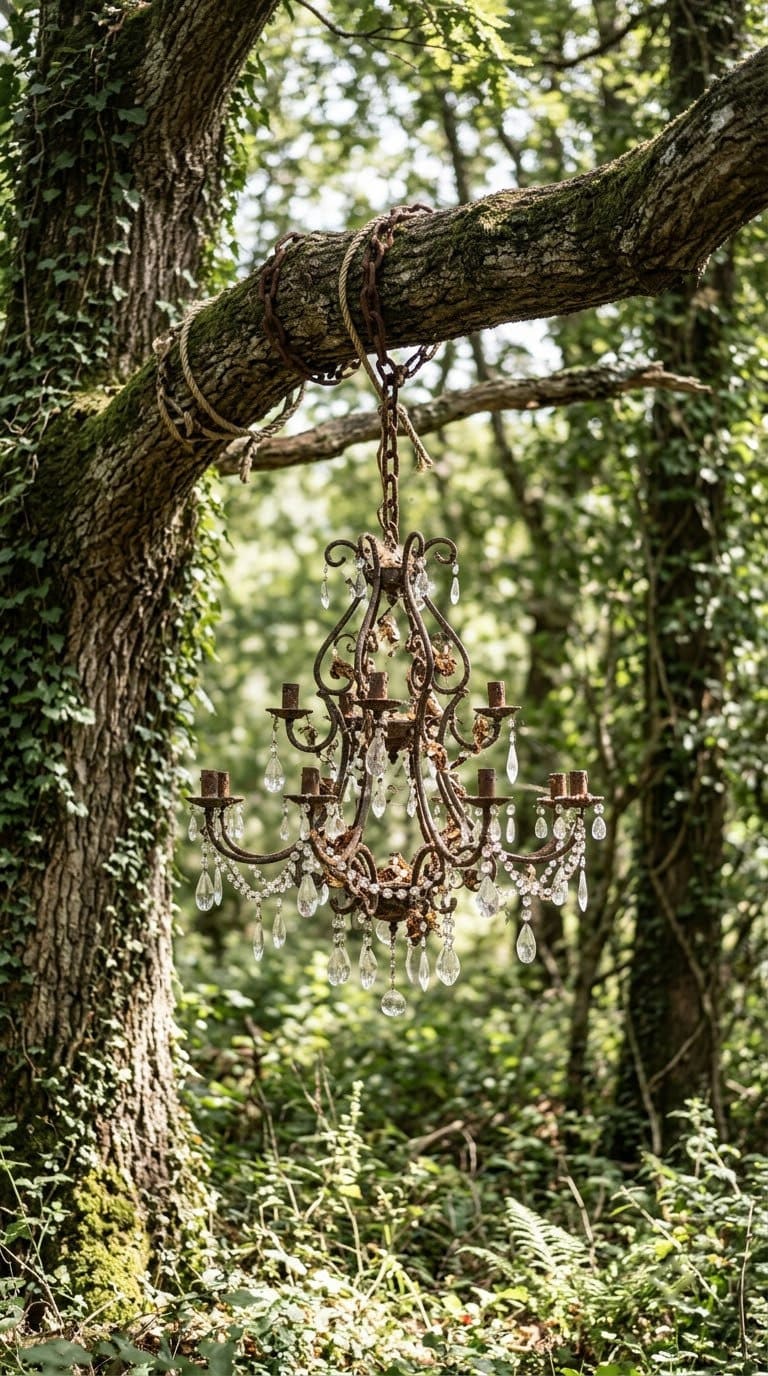
Hang an old chandelier frame from a sturdy branch. Remove the wiring first, and spray the frame with exterior paint. Thread glass crystals or prisms on fishing line.
Skip the electricity. Use solar lights marked for wet places instead, per UL. For more hanging pieces, see our garden sculpture ideas.

Cost tier: low.
2. Waterdrop Solar Lights
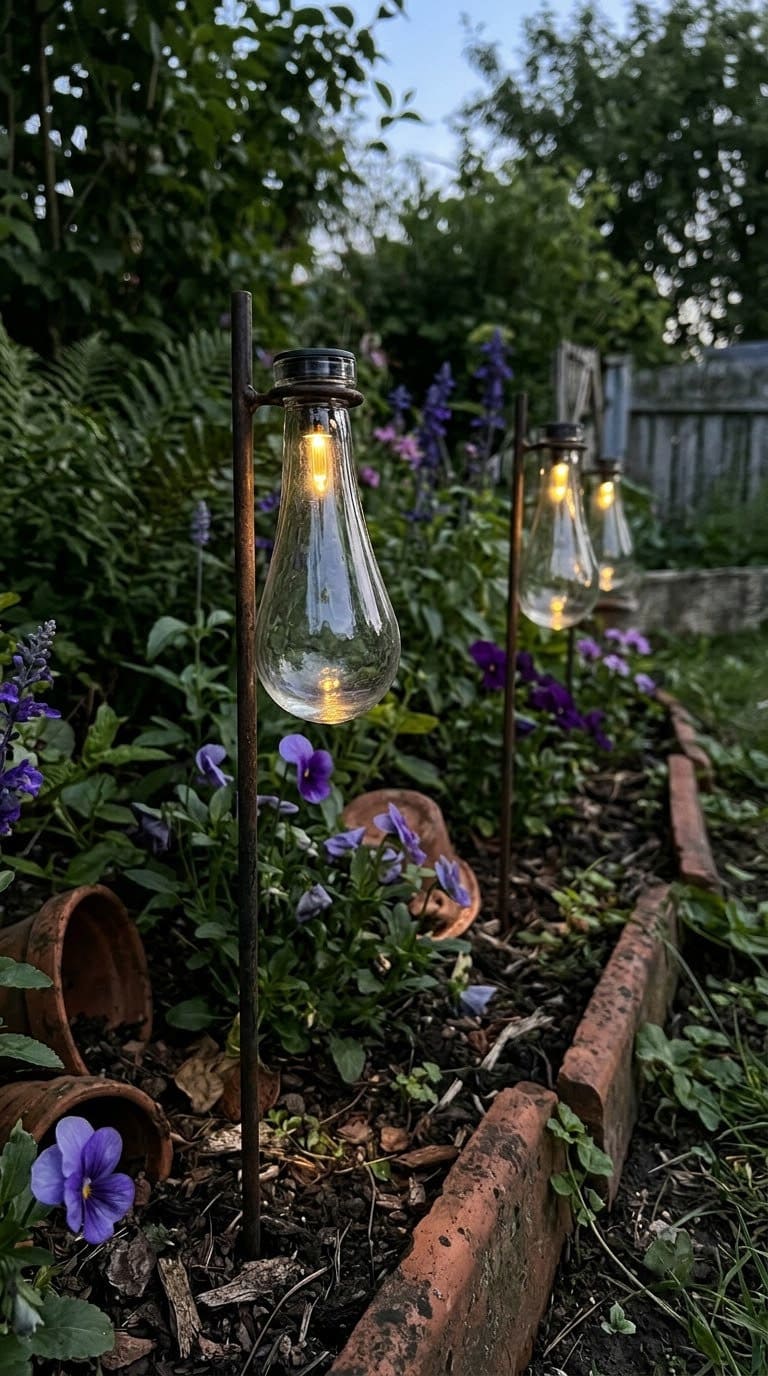
Place solar stake lights shaped like drops among low plants. Pick lights marked for wet locations, since rain will hit them. Set them where the panel gets daytime sun.
Keep them out of dense shade. Wipe the panel each month.
Cost tier: low.
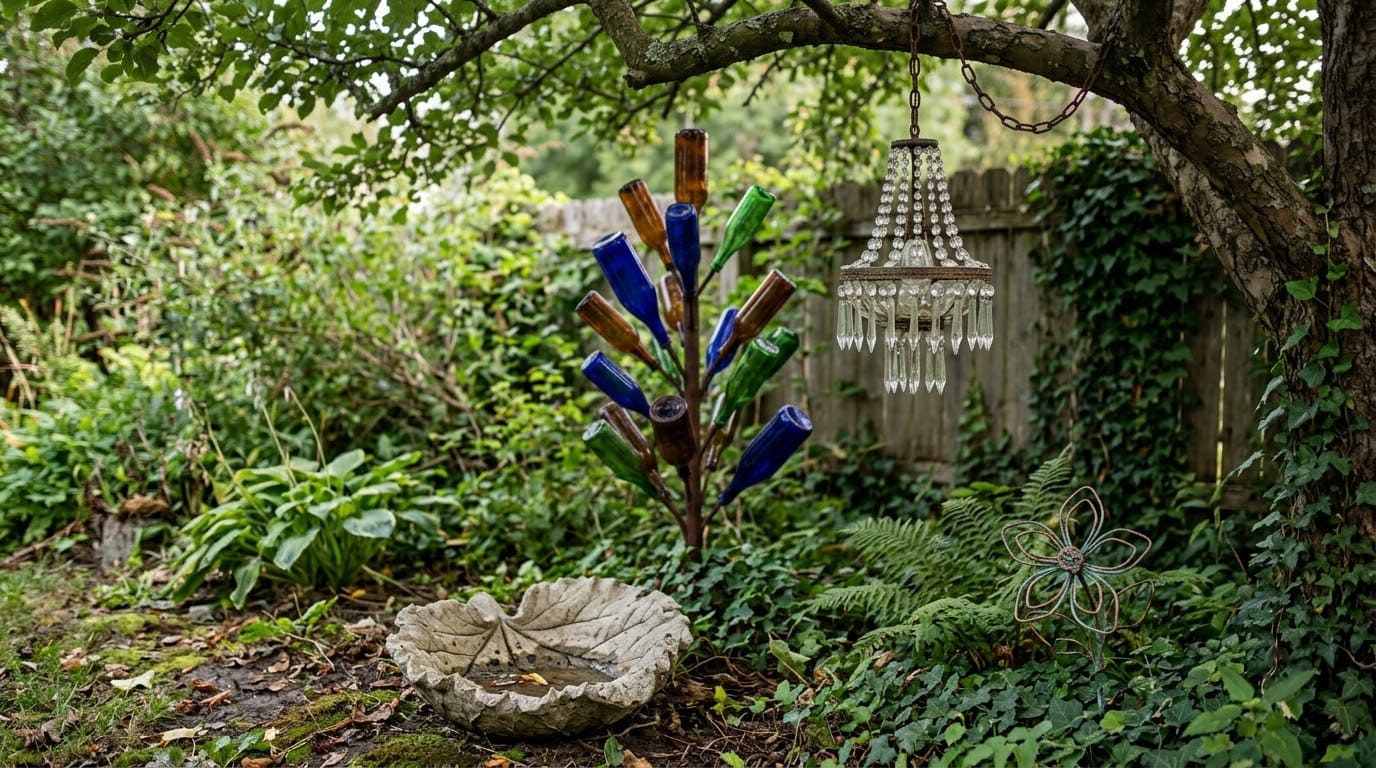
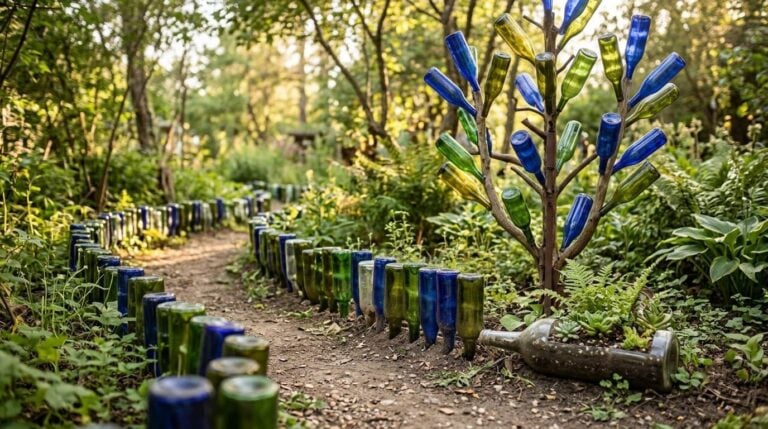
3. Bottle Tree
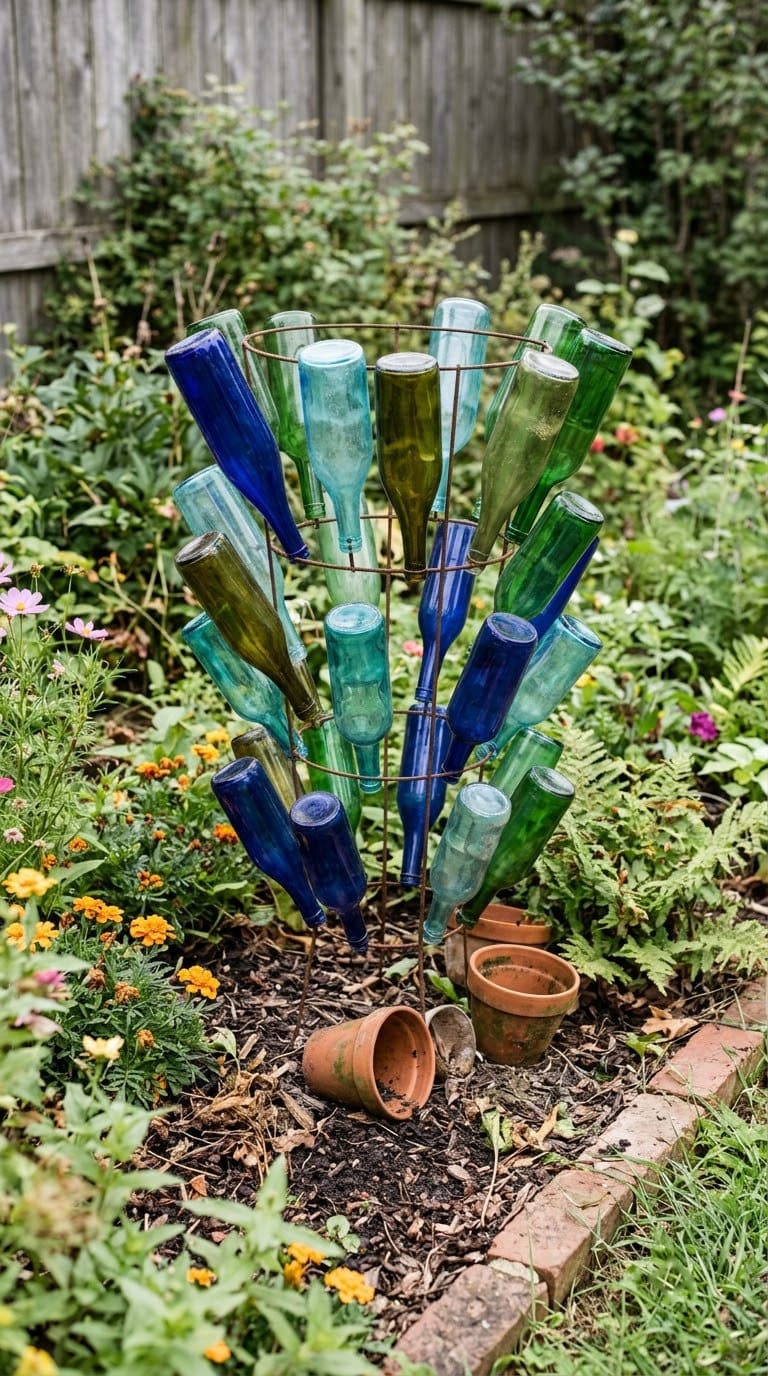
Slip glass bottles over the ends of metal rods or the wires of a sturdy tomato cage. Choose blue and green glass, which catch the light well. Anchor the base deep in the soil.
Wear gloves, and check the bottle necks for chips. See our wine bottle garden crafts for more.
Cost tier: very low.
4. Bottle-Cap Flowers
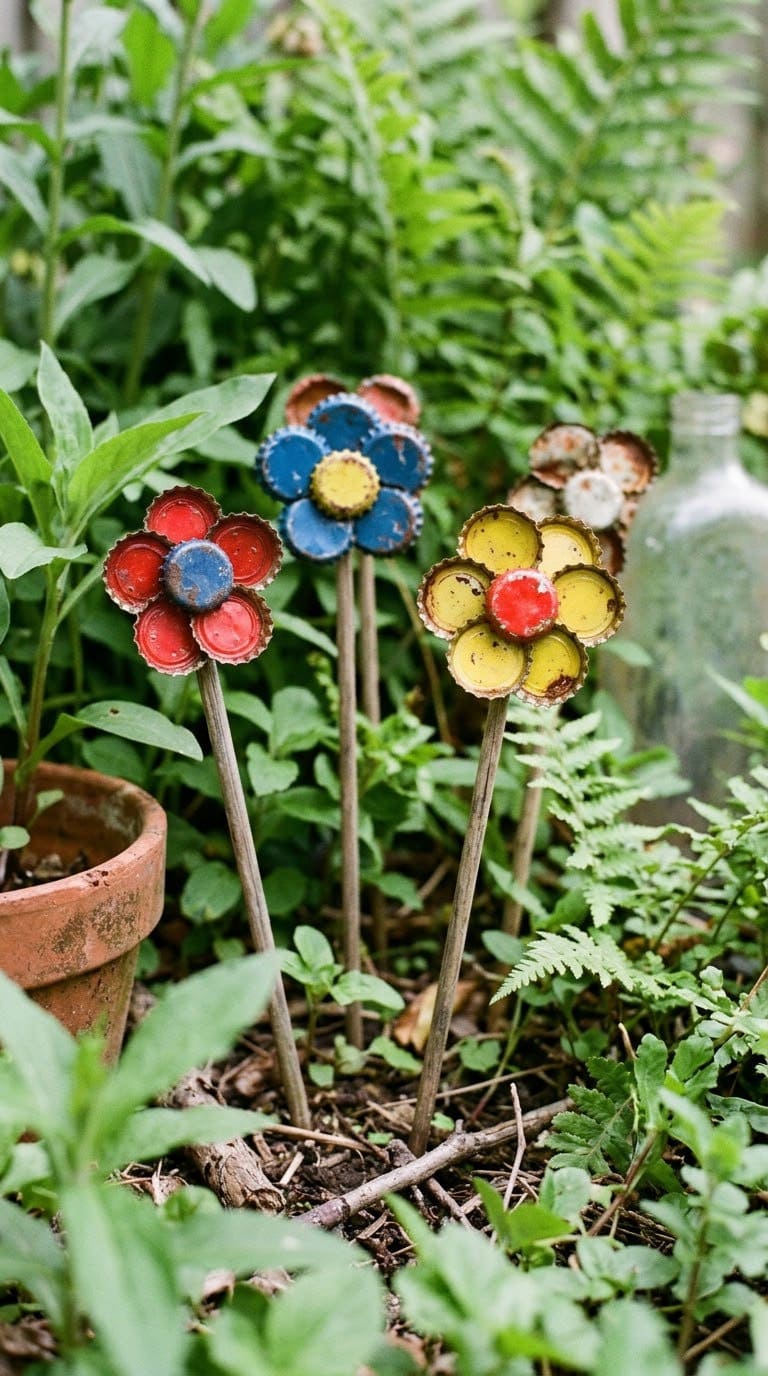
Flatten the center of a cap and paint it. Fix a ring of smaller caps around it with outdoor glue, and attach the flower to a skewer or rod.
Seal the paint with a clear exterior spray. Choose a bold color against the green leaves.
Cost tier: very low.
5. Bottle Wind Spirals
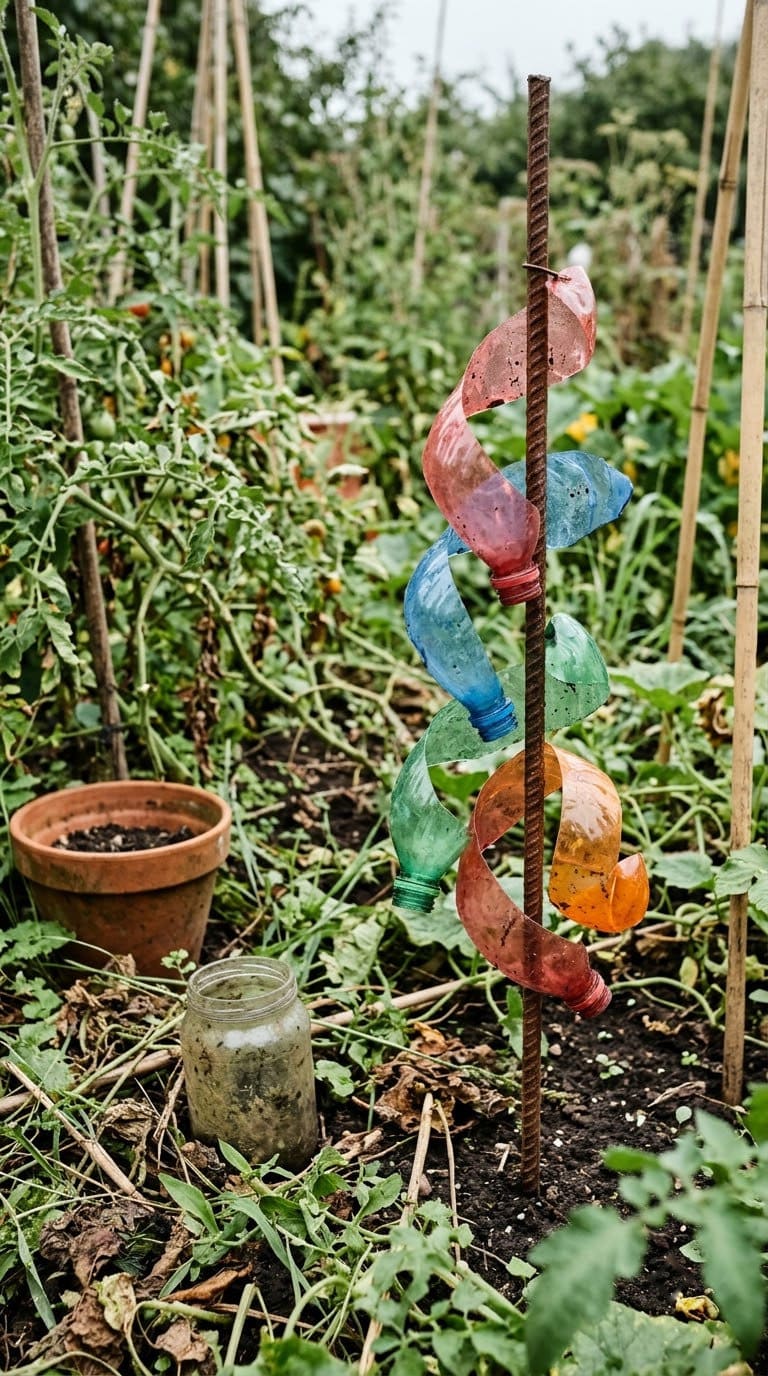
Cut a plastic bottle into a spiral strip and hang it from a swivel. It spins in the wind. Round off the cut edges.
Plastic fades and cracks in sun, so expect a short life. Collect the pieces if they break, so they do not litter the garden.
Cost tier: very low.
6. Clay-Disk Wind Chimes

Roll air-dry or kiln clay, cut disks, and punch holes. Paint the disks and seal them with an exterior spray. String them on cord.
Keep them under a roof edge, since clay can crack in freezing. For more sound ideas, browse our wind chime ideas.
Cost tier: low.
7. Copper Wire Flowers
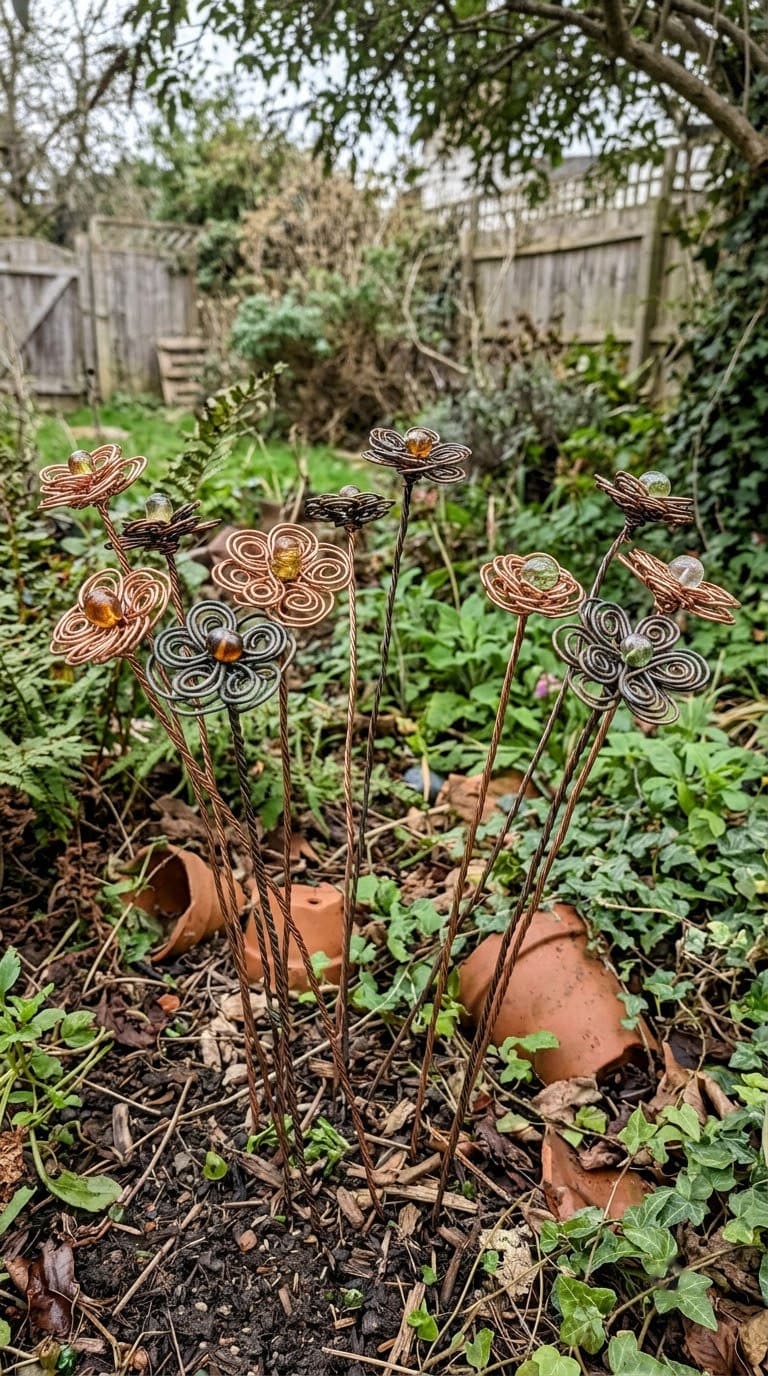
Twist copper wire into petal loops and attach them to a stiff stem. Copper will weather to a green patina over time. A clear coat slows the change.
Wear gloves, and file the cut ends. Set the stems deep in the soil.
Cost tier: low to medium.
8. Chicken-Wire Dragonfly
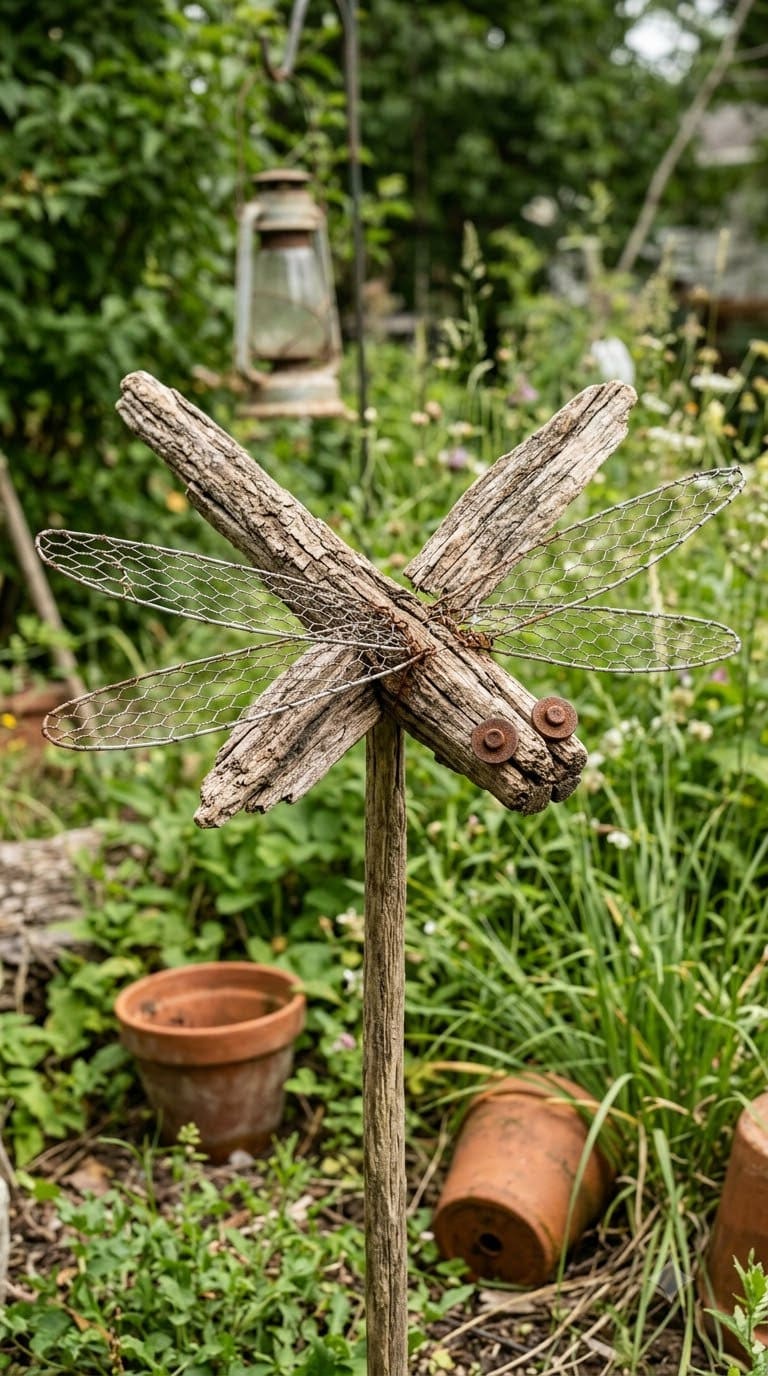
Bend chicken wire into wing shapes, and attach them to a wooden body with wire. Paint the piece and seal it. Chicken wire rusts, so a coat of exterior paint helps.
Wear heavy gloves, since cut wire is sharp. Wrap the ends before you place it near paths.
Cost tier: low.
9. Fence Butterflies
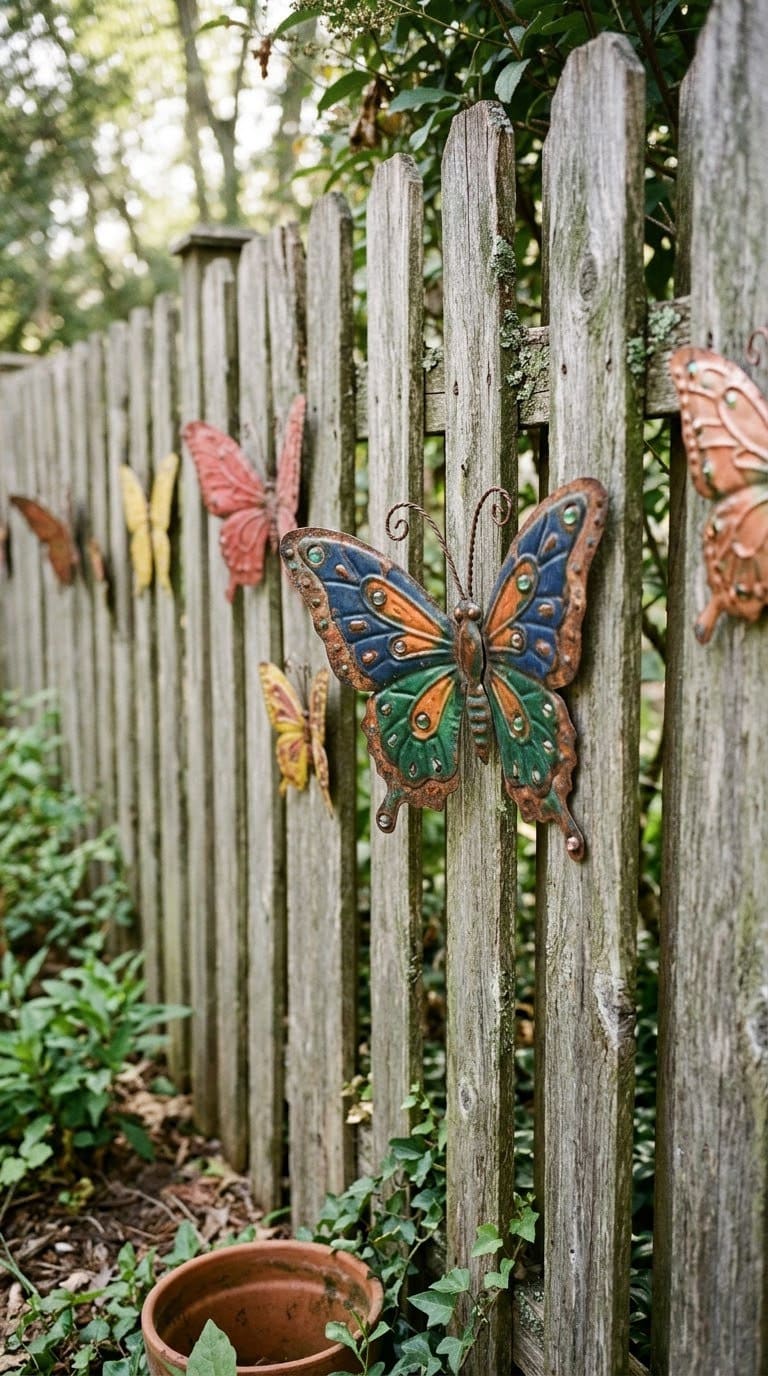
Cut butterfly shapes from thin metal or heavy plastic, paint them, and screw them to a fence. Use exterior paint, and seal it.
Sand the edges so no one catches a finger. Space them in a loose line for a fluttering look.
Cost tier: low.
10. Painted-Ball Ladybugs
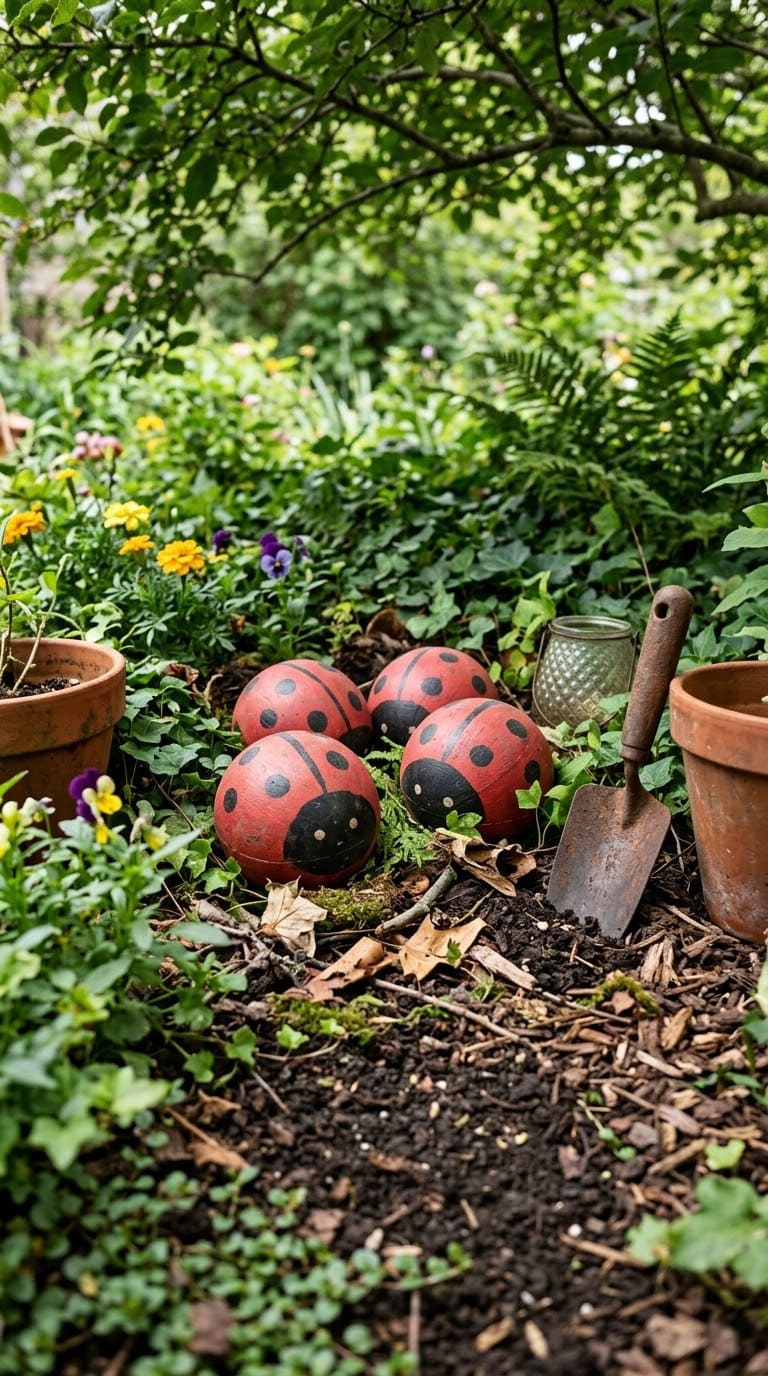
Paint plastic play balls red, add black spots and a head, and seal them. Sustain My Craft Habit says paint pens and regular acrylics need an exterior sealer.
Set them in the beds half-buried so they do not roll away. Kids can help with the spots.
Cost tier: very low.
11. Clay-Pot Lighthouse
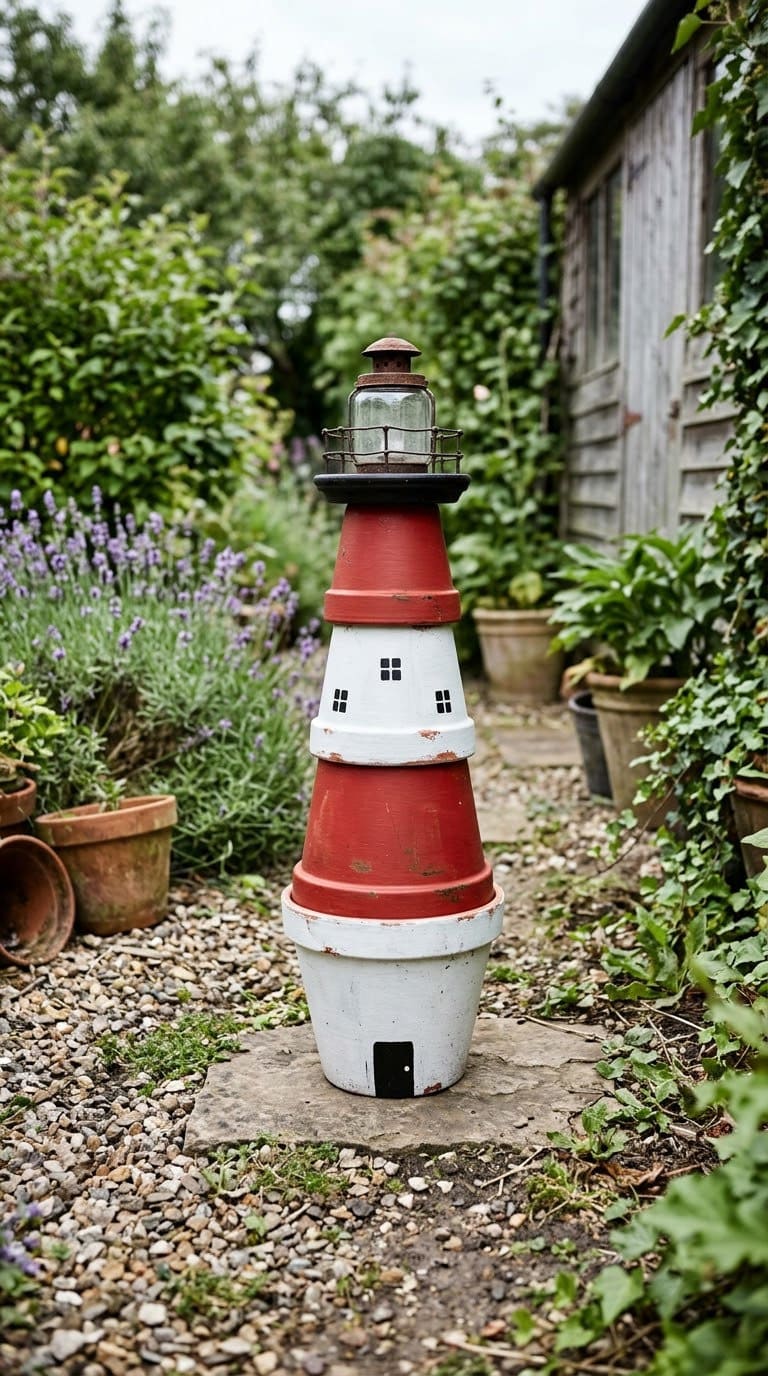
Stack clay pots from large to small, and glue them with outdoor adhesive. Paint stripes and a lantern top. Finish with a clear exterior spray.
Clay cracks in freezing, so bring it in for winter. Our painted garden decorations cover the paint steps.
Cost tier: low.
12. Painted Owl Rock

Pick a smooth rock, base-coat it, and paint on the owl. Use multi-surface satin paint, which Sustain My Craft Habit calls self-sealing. Seal paint pens separately.
Wash the rock before you paint. Compare our rock garden ideas for placement.
Cost tier: very low.
13. Broken-China Garden Stone
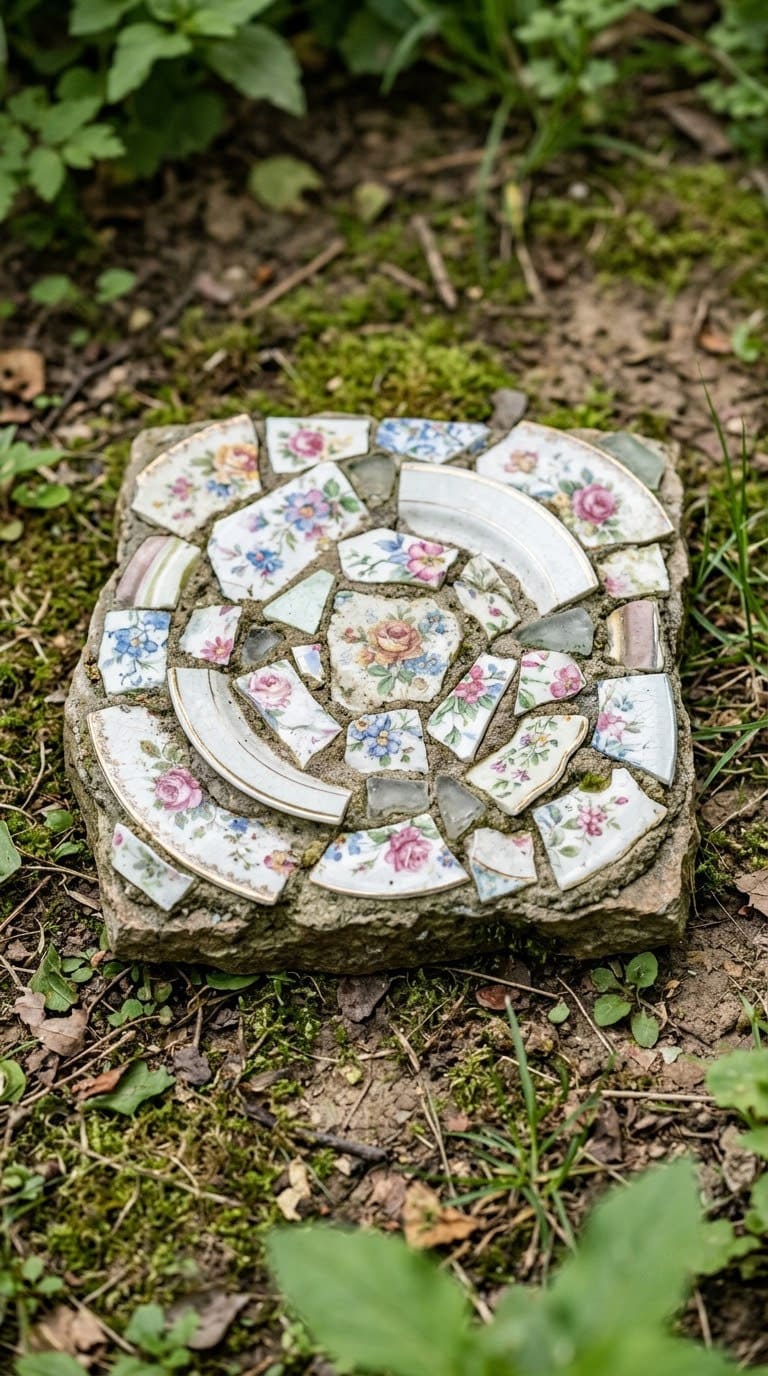
Set china pieces in thinset on a concrete stone, then grout. Mosaic Art Supply says unglazed ceramic is porous and prone to freeze damage, so use glazed, dense pieces. Seal the grout.
Wear gloves and glasses when you break dishes. Our mosaic guide covers the full method.
Cost tier: low.
14. Concrete Leaf Impression
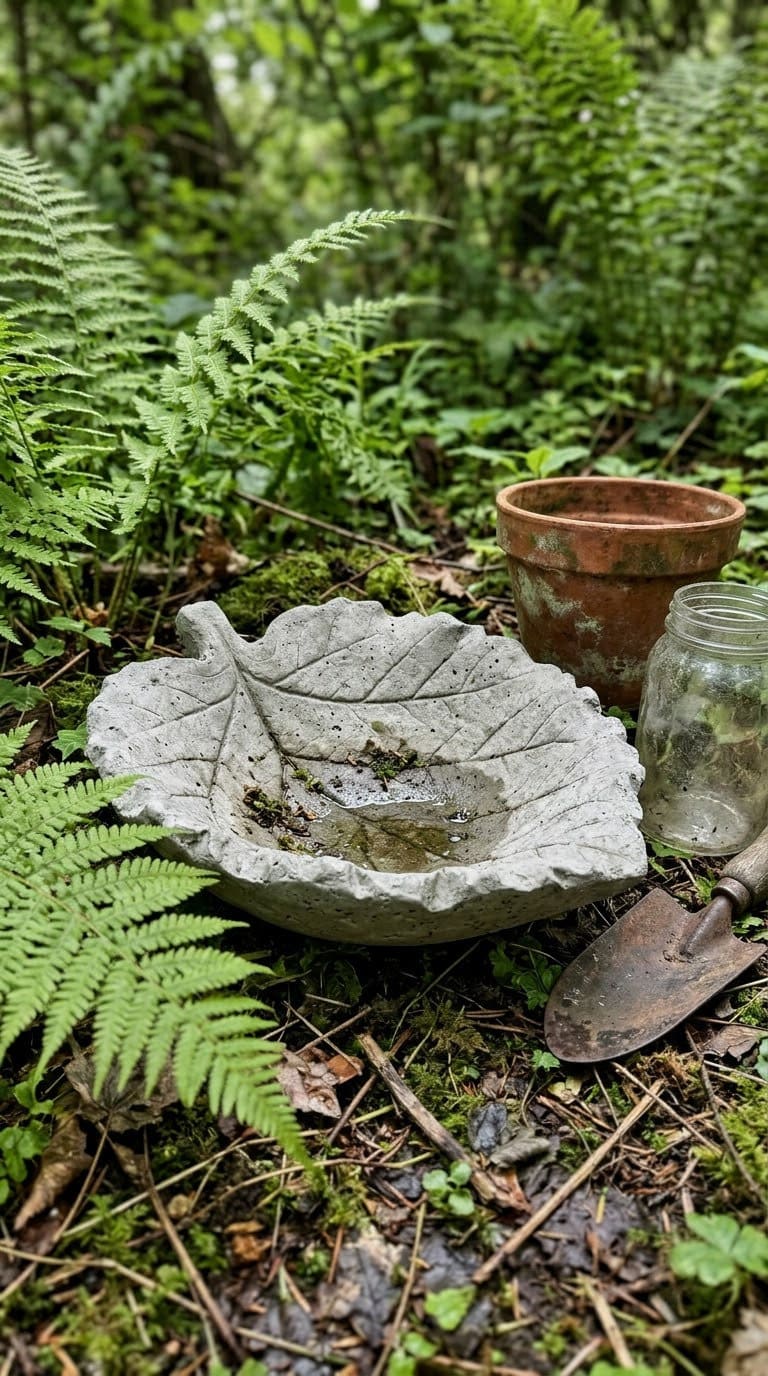
Press a large leaf into damp sand, and pour concrete over it. Let the cast cure, then lift it and brush off the leaf. The result is a shallow bowl with veins.
Dawson advises rubber gloves and a dust mask when working with cement. She also advises working in shade, since hot sun can cause uneven curing and cracking.
Cost tier: low to medium.
15. Concrete Globes
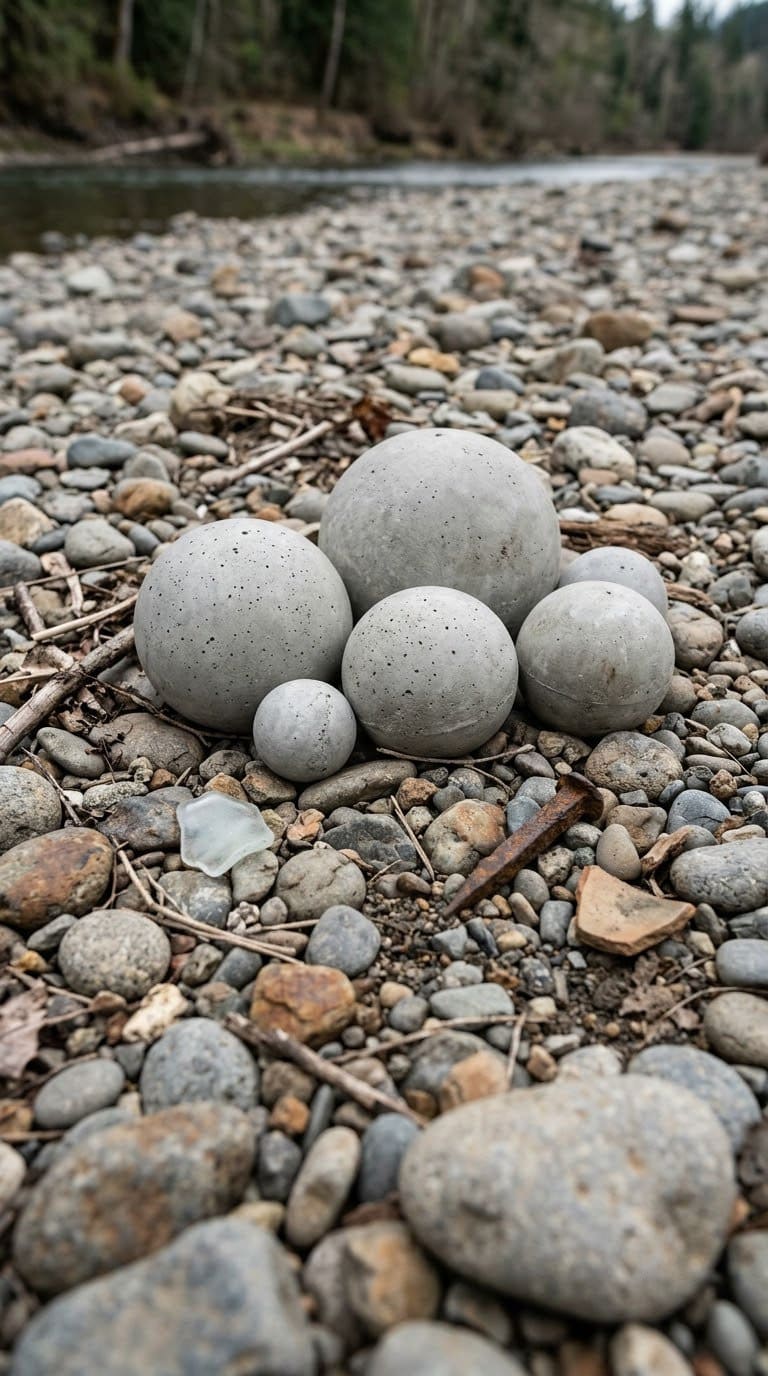
Cast concrete in two round molds and join the halves. Cover the piece with plastic while it cures, as Dawson advises for hypertufa. Wear gloves and a mask.
For more sphere builds, see our DIY garden ball ideas.
Cost tier: low to medium.
16. Dish Bird Bath
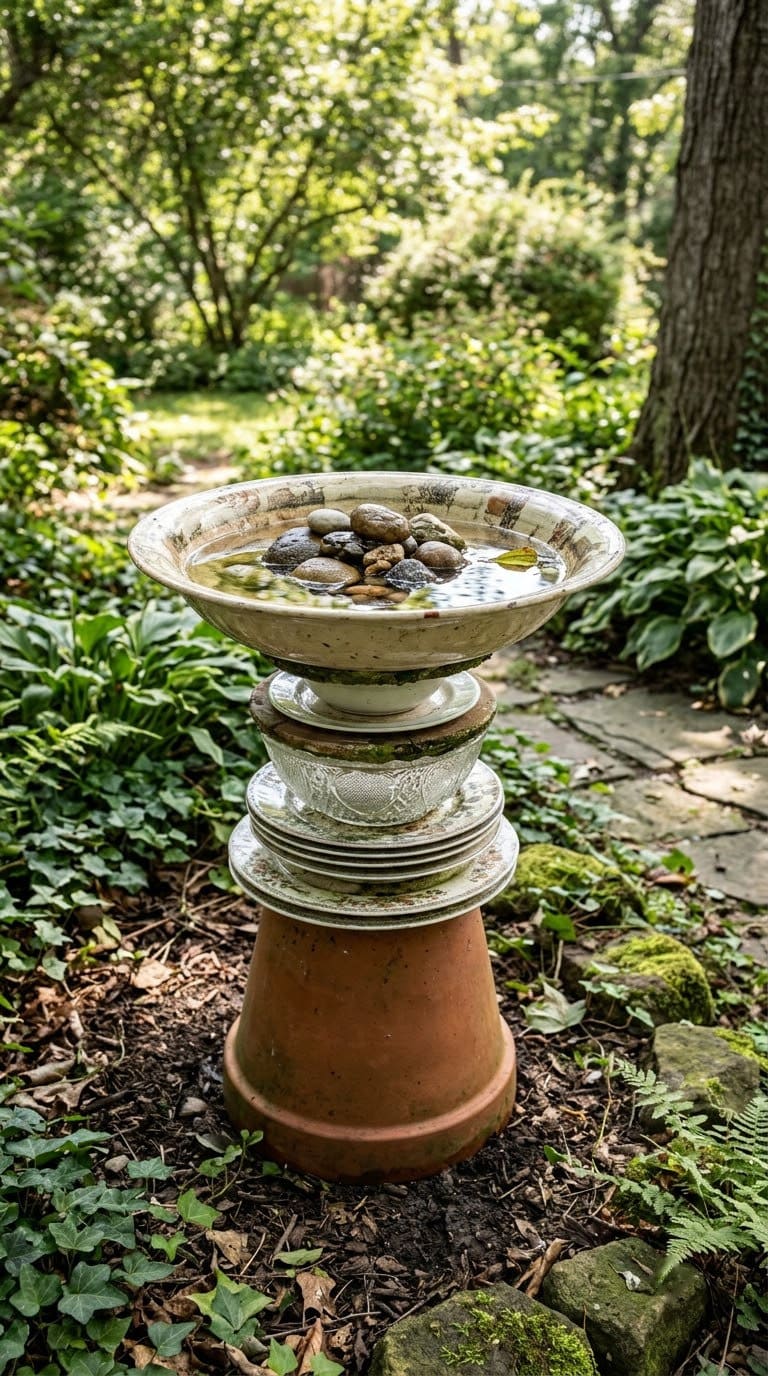
Glue a plate, a saucer, and a bowl into a pedestal with outdoor adhesive. Fill the top with a shallow layer of water. The Cornell Lab of Ornithology says water should be no deeper than 1 inch at the edges and 2 inches in the middle.
Cornell also says to change the water every day or two and to add stones for footing. See our bird bath ideas for more.
Cost tier: low.
17. Succulent Frame
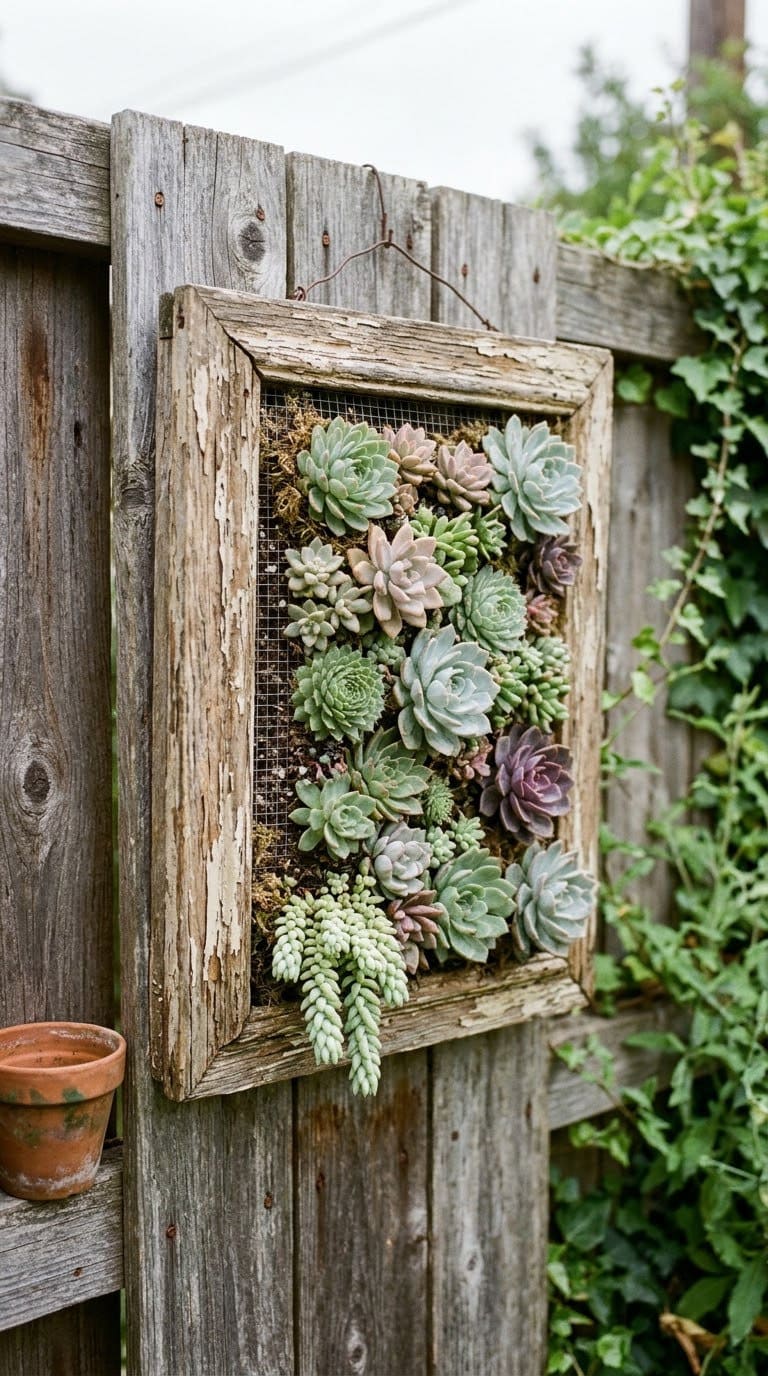
Build a shallow frame with wire mesh and fill it with gritty cactus mix. Plant small succulents, and lay it flat for several weeks to root. Then hang it.
Seal the wood with exterior paint. Water lightly.
Cost tier: low to medium.
18. Topiary Turtle With Succulents
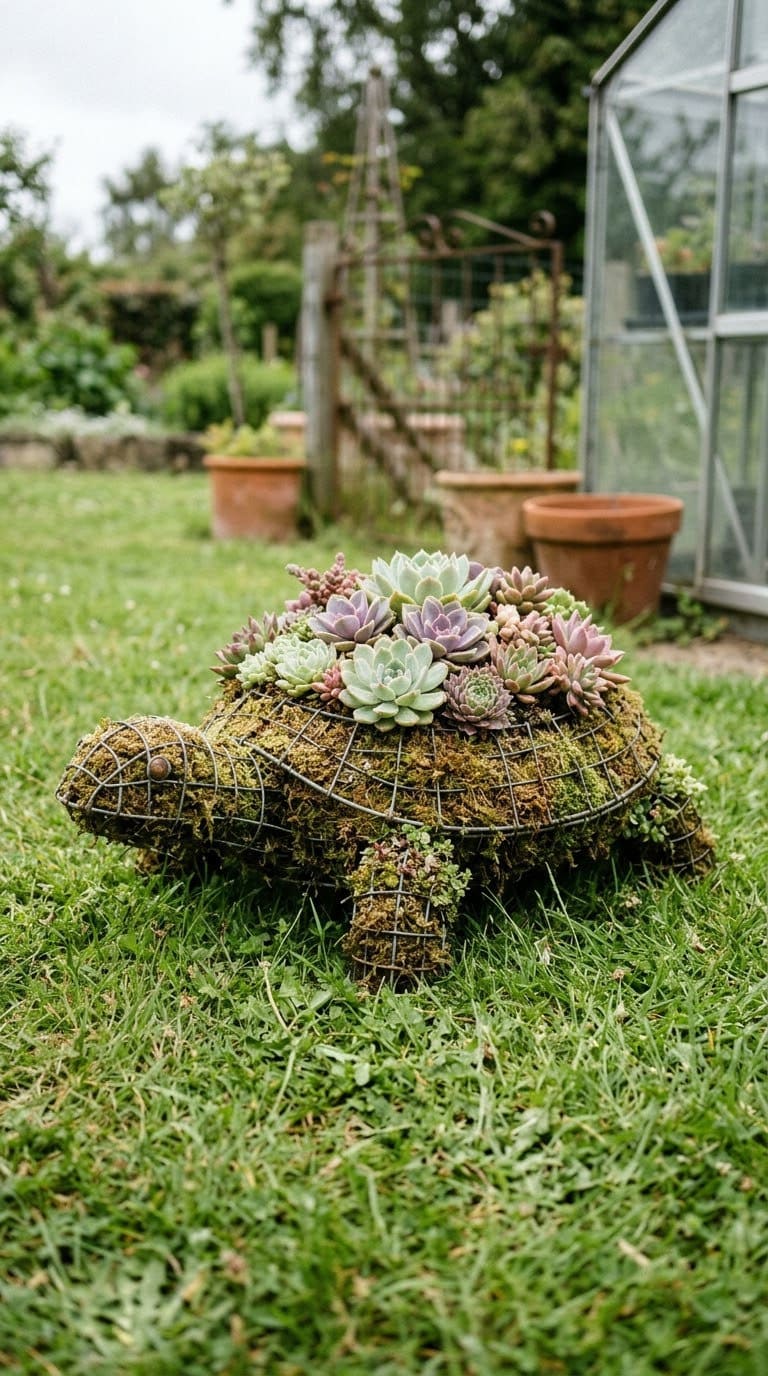
Fill a turtle-shaped wire form with moss and soil, and press succulents into the shell. Keep it moist for a few weeks while the roots grip.
Place it in part shade. Bring it in before a hard frost.
Cost tier: medium.
19. Glass-Stone Spheres
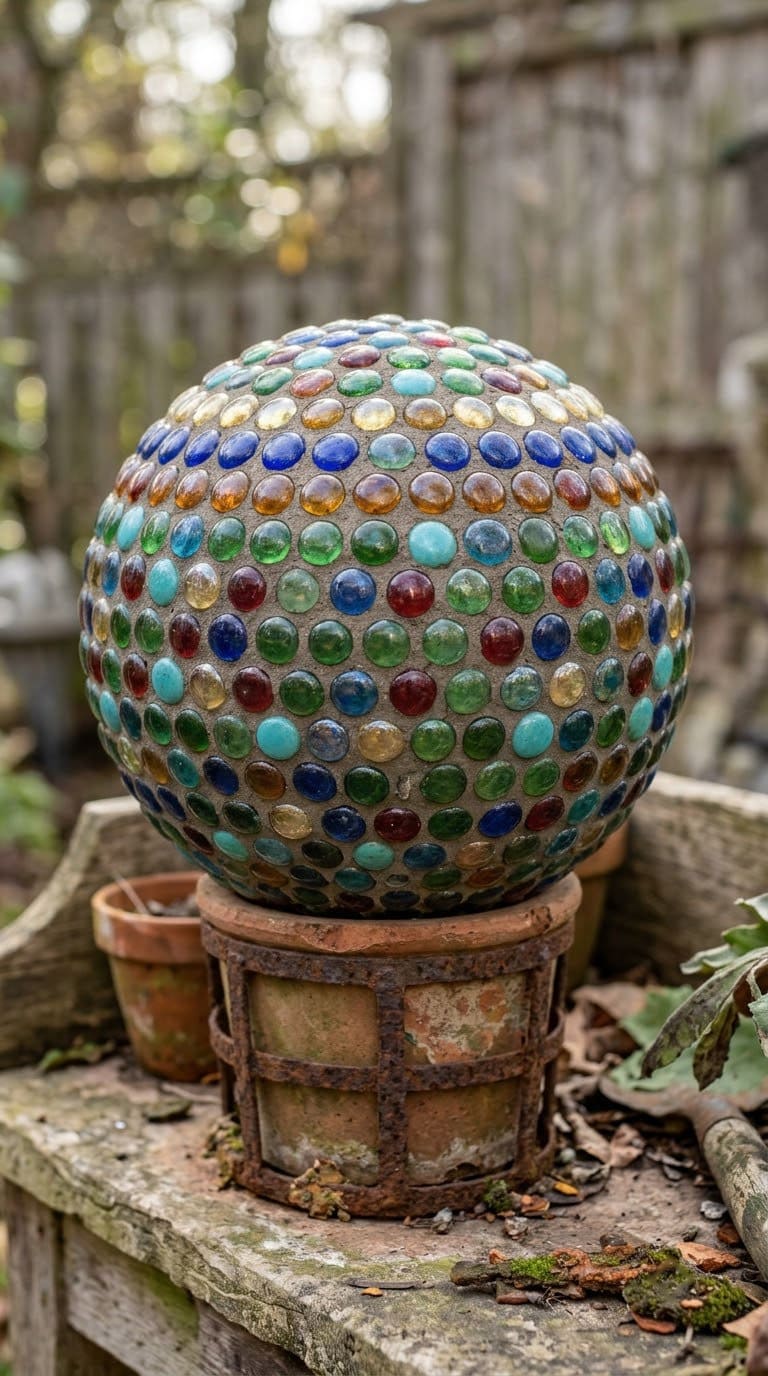
Cover a ball with flat glass stones and clear outdoor adhesive. Press each one firmly. Work from the top down.
Mosaic Art Supply says glass resists freeze damage. Keep the adhesive out of the gaps if you plan to grout.
Cost tier: low.
20. Fairy House in a Planter
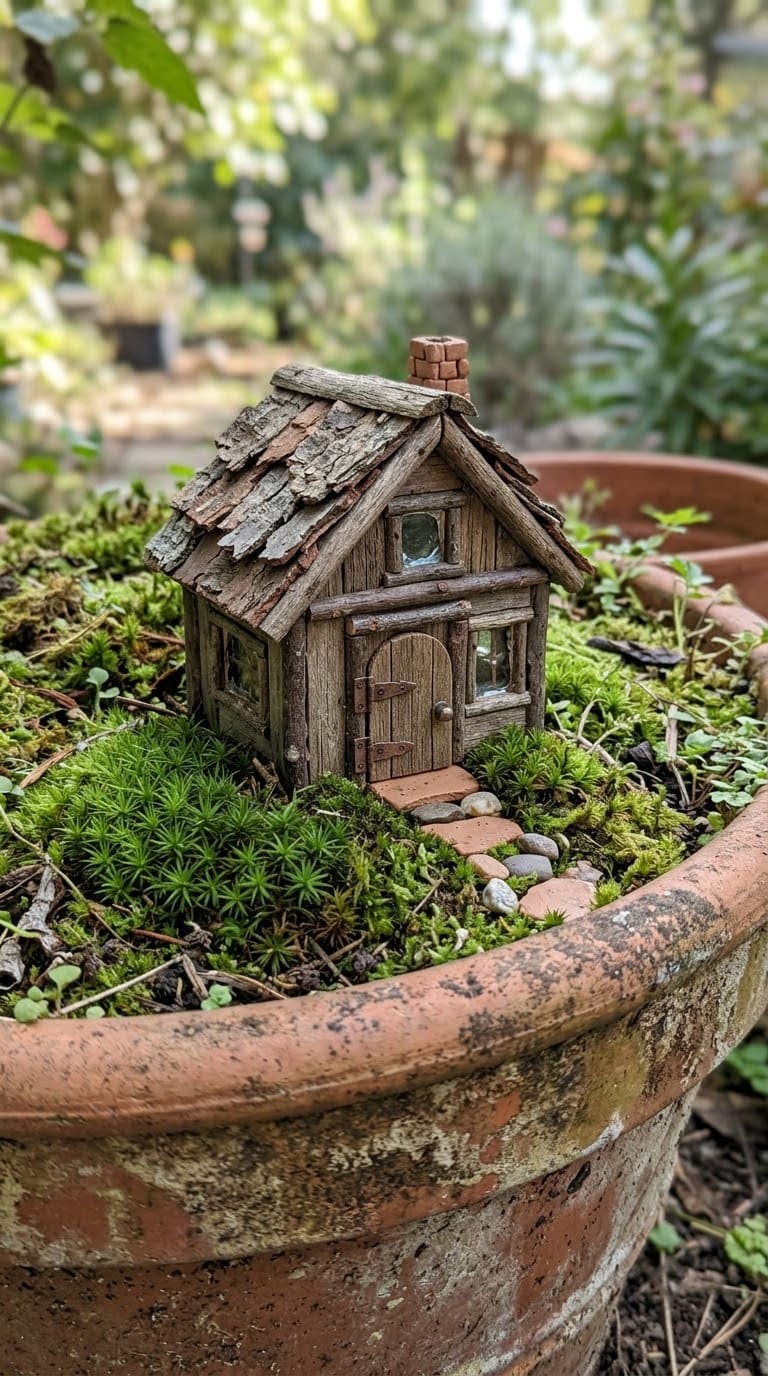
Build a small house from sticks and bark, and set it in a planter with moss. Seal any wood with exterior paint. Use plants that stay small.
See our fairy garden ideas for the full build.
Cost tier: low.
How Do You Display Garden Art?
Group art in odd numbers, and vary the heights. Place a tall piece at the back and small ones in front. Leave space between pieces so each can be seen.
Put reflective pieces where the sun reaches them in the afternoon. Keep delicate pieces away from mowers and paths.
Repeat one color or material across the yard. For more ideas, see our whimsical garden ideas and vintage decor guide.
Common Mistakes to Avoid
Skipping the sealer is the first mistake. Sustain My Craft Habit says regular acrylics need an exterior clear spray.
Handling cement bare-handed is the second. Dawson says Portland cement irritates skin.
Using the wrong lights is the third. UL says only fixtures marked for wet locations belong where water may splash.
FAQ
What paint works for outdoor garden art?
Use a multi-surface outdoor paint or seal regular acrylic with a clear exterior spray, per Sustain My Craft Habit.
Is cement safe to handle?
Wear rubber gloves and a dust mask. Fine Gardening’s Helen Dawson says Portland cement irritates skin.
How deep should a bird bath be?
Cornell Lab of Ornithology says no deeper than 1 inch at the edges, sloping to 2 inches in the middle.
Can I use solar lights in the rain?
Use lights marked Suitable for Wet Locations, says UL.
Which tile survives frost?
Glass tile resists freeze damage, per Mosaic Art Supply. Unglazed ceramic does not.
Never miss an update — choose FarmFoodFamily as your preferred source on Google.
How it works: Tap the button below to open Google's settings page, then check the box next to FarmFoodFamily.
Tap the checkbox to turn it blue — that's how you know it's set.






Thank you for featuring my turtle topiary. I love these other projects as well.