Hugelkultur Raised Beds: The Genius Trick That Cuts Your Soil Bill in Half
Hugelkultur fills your raised bed with free logs and yard waste instead of bagged soil, as long as you know it needs a nitrogen boost and a top-off every few years.
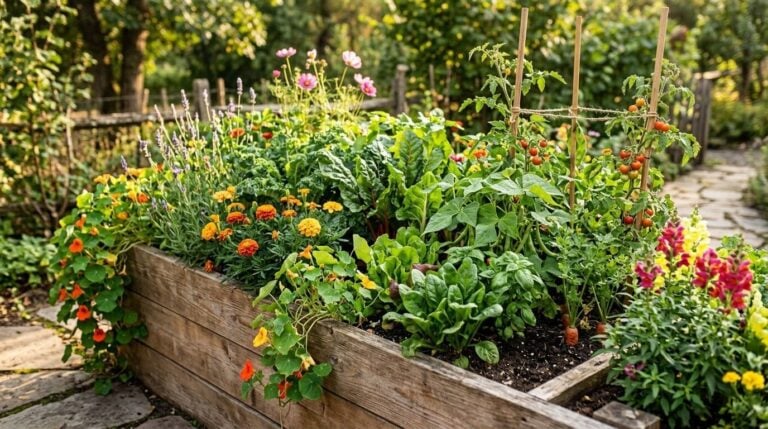
Hugelkultur fills your raised bed with free logs and yard waste instead of bagged soil, as long as you know it needs a nitrogen boost and a top-off every few years.

Straw mulch is the cheapest thing you can do for a strawberry bed, and it does three jobs at once. But a layer that is too deep or too damp turns into a slug motel, so the trick is all in how you lay it.
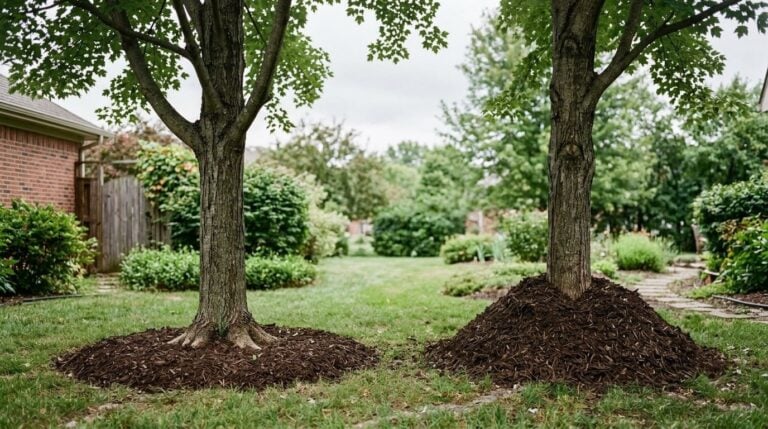
A tidy ring of mulch protects a tree, but pile it against the trunk or over the root flare and you start a slow decline that the canopy won’t show for years.
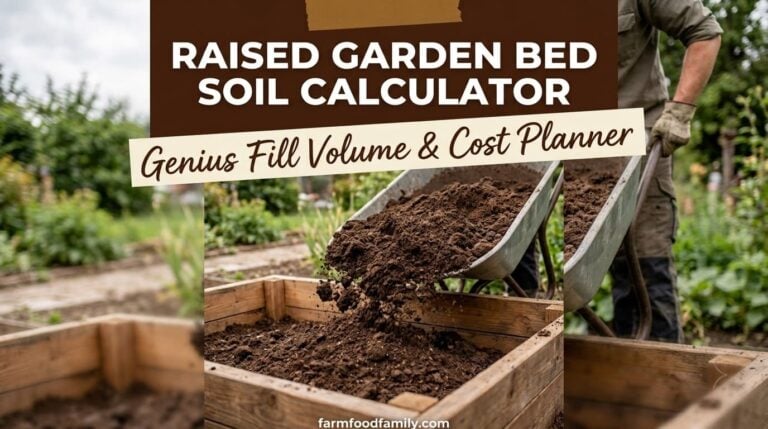
Find out exactly how much soil to buy, which mix to use, and whether bags or bulk delivery saves you more, before you fill a single bed.
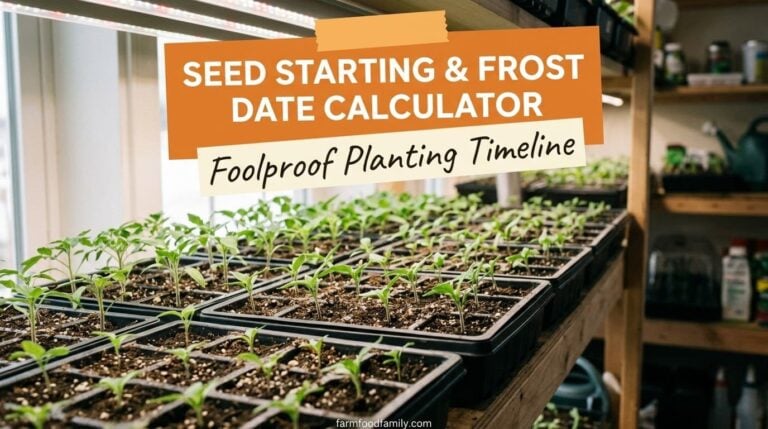
Find out exactly when to start seeds indoors, move them outside, and plant your fall crops, all built around your own frost dates instead of a generic zone chart.
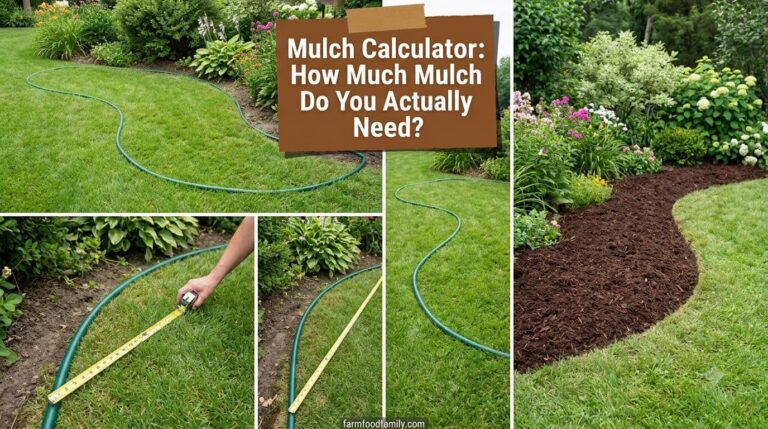
Most garden beds need 2 to 4 inches of mulch. The math is simple. Take your area in square feet. Multiply it by the depth in inches, then divide by 12 to get cubic feet. Divide that by 27 to get cubic yards, since that is how bulk mulch is sold. For a typical 100 sq…

Cover crops turn a bare, tired garden bed into free fertilizer and erosion insurance over winter, as long as you match the right species to your first-frost date and know which ones need mowing down before you plant in spring.
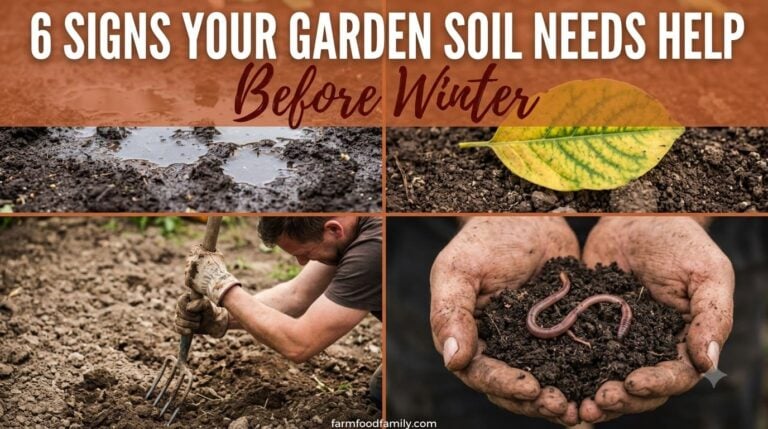
Garden soil breaks down quietly all season long, and fall is the one window where you can actually fix it before the ground freezes solid.
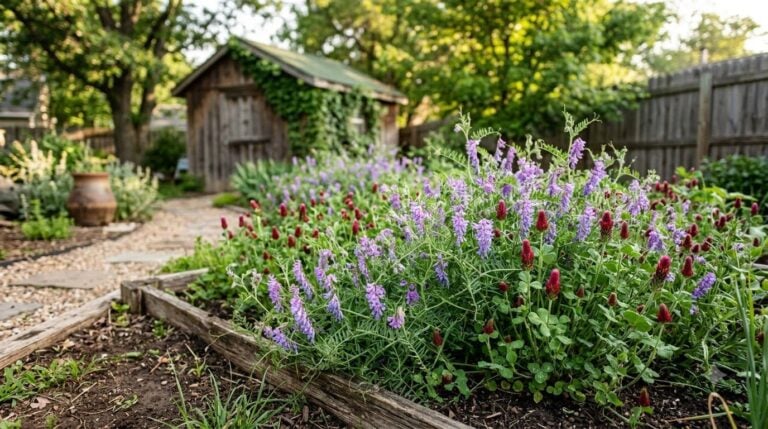
A legume cover crop can genuinely replace a bag of fertilizer, but only if you inoculate it correctly and terminate it at the right time, skip either step and you’re mostly just growing a green lawn.
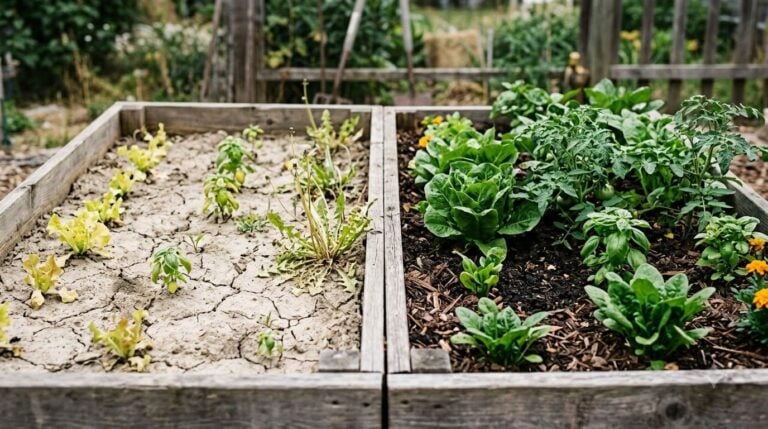
A garden bed that used to produce well and now doesn’t isn’t cursed, it’s probably worn down by the same tilling that once seemed like it was helping.
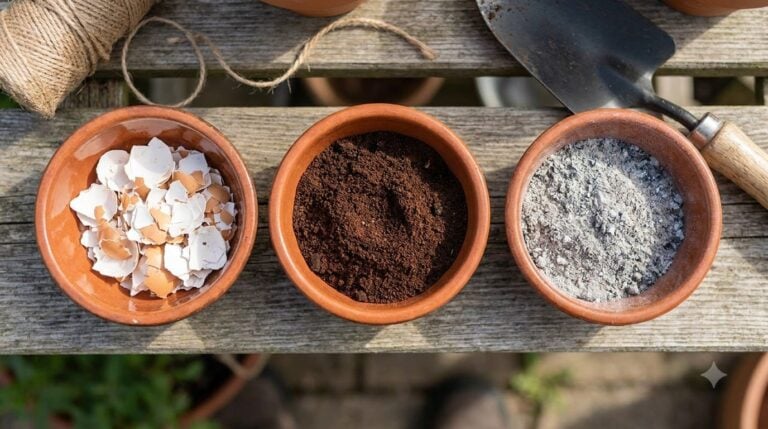
One of these three kitchen-scrap garden hacks is basically a myth, one works but way too slowly to matter this season, and one is genuinely useful if you check one number first.
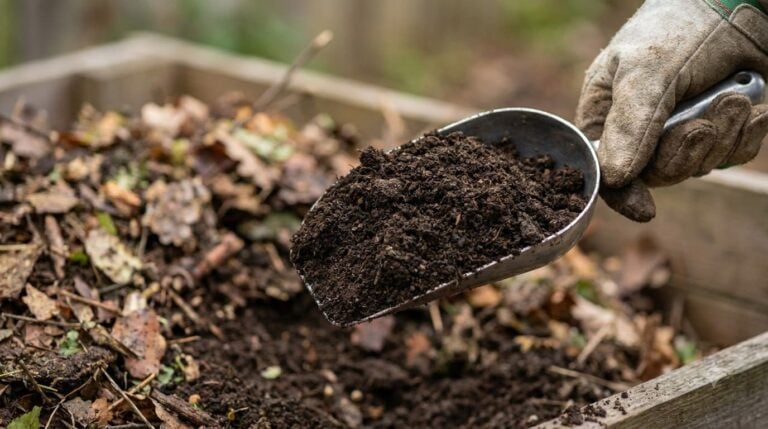
Compost that looks dark and smells earthy can still be unfinished underneath, and using it too soon can genuinely kill the seedlings you’re trying to help.
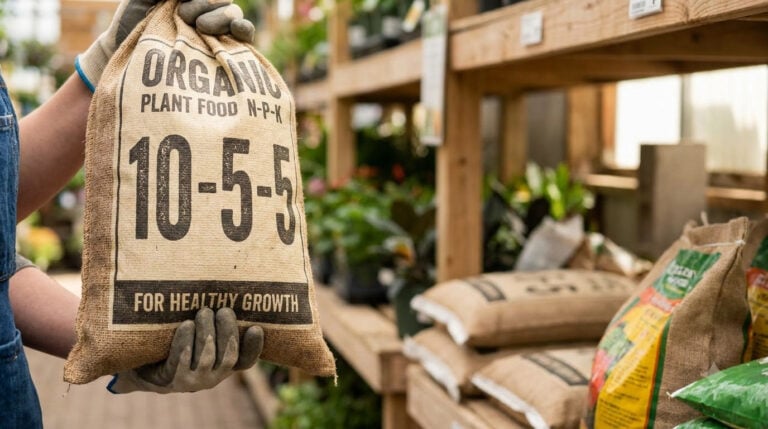
Those three numbers on every fertilizer bag aren’t random, they’re a real formula, and once you can read it you’ll never grab the wrong bag out of confusion again.
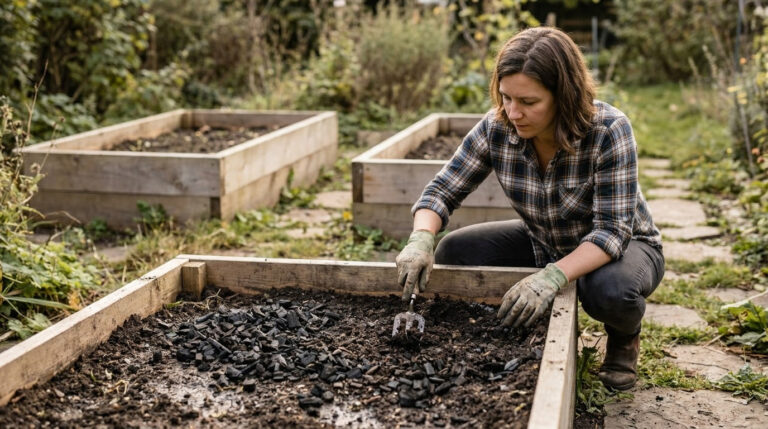
Biochar promises better soil in a bag, but the real research is more mixed than the marketing, and my own one-season trial landed somewhere honest in between.
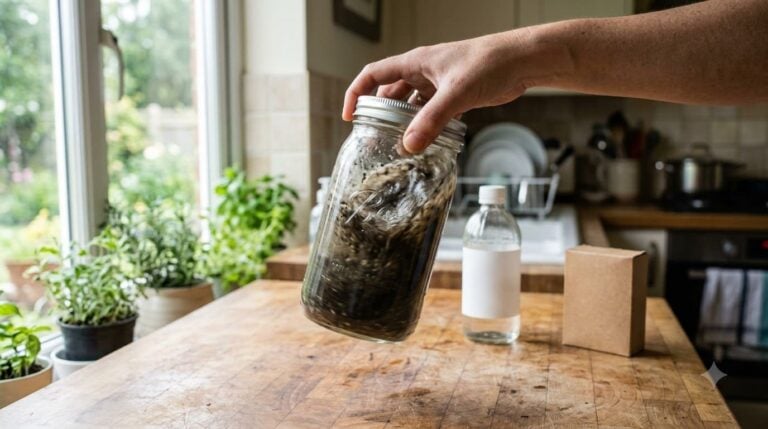
A real soil test tells you exactly what your garden needs, but you don’t need to mail off a sample to get a genuinely useful first read, a few kitchen staples and 48 hours will do.
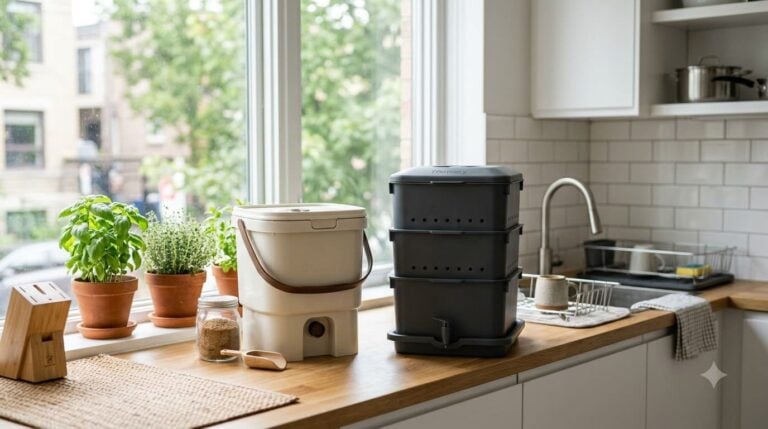
No yard doesn’t mean no composting, it just means picking the one method (bokashi, worms, or electric) that actually fits your space and budget instead of assuming it’s not possible at all.
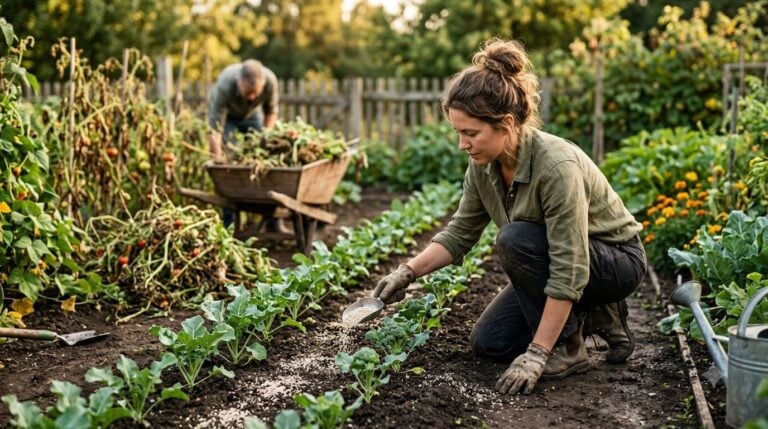
The fertilizer you applied back in May is mostly gone by August, and skipping a fresh feeding now is the quiet reason so many fall gardens underperform.

Your soil doesn’t need a bag of fertilizer in winter, it needs a cover crop, and skipping that one cheap step is why so many gardens start spring already behind.
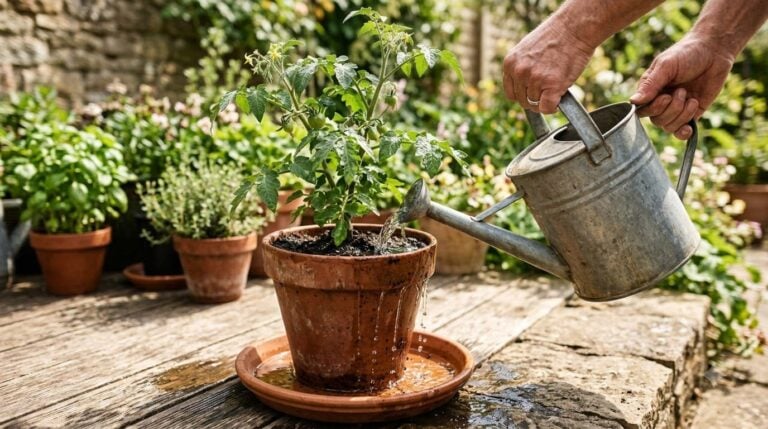
Potted plants burn through nutrients faster than garden beds because every watering washes some away, so a real container feeding schedule needs its own rhythm, not a borrowed one.
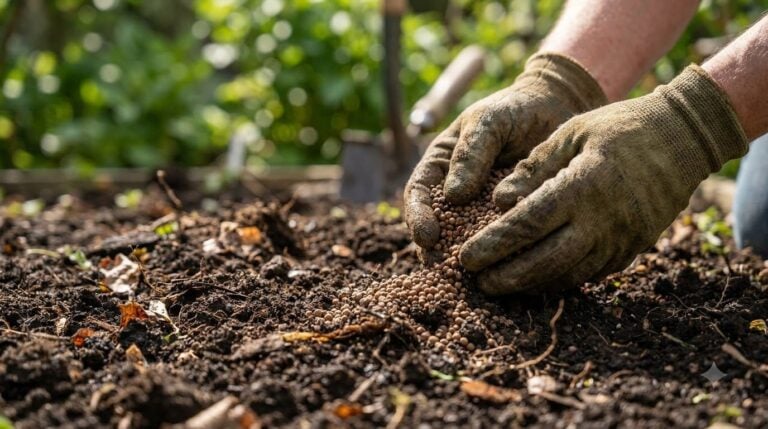
Organic fertilizer isn’t broken or fake if your plants look the same three weeks later, it’s just waiting on soil microbes to finish a job synthetic fertilizer skips entirely.

Plants signal nutrient trouble weeks before it looks serious, and the fastest way to read that signal is checking which leaves are affected first, not just what color they’ve turned.
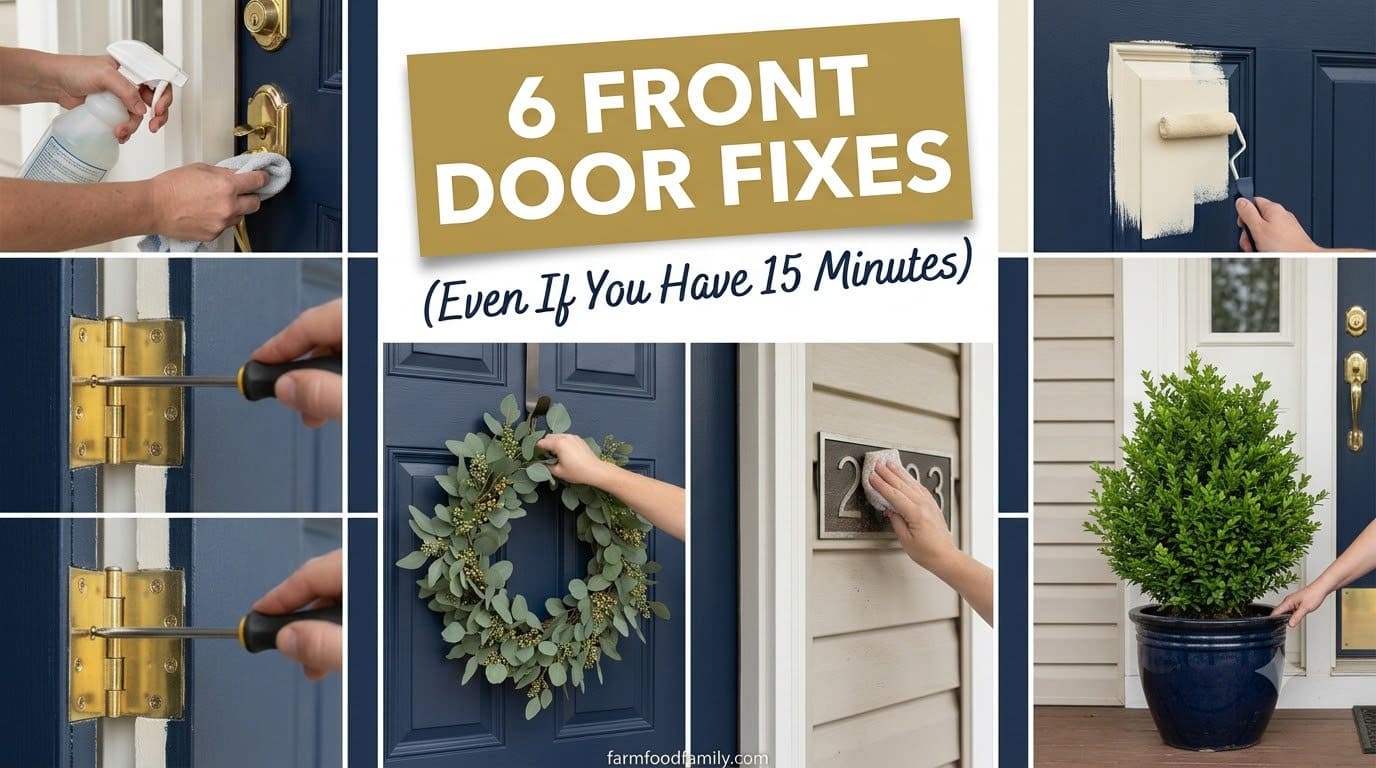 Front Door Feng Shui: 6 Fast Fixes, Including the Real FBI Lock Data No Guide Mentions
 10 Foolproof Ways to Build a Home That Stays Cool During a Heatwave
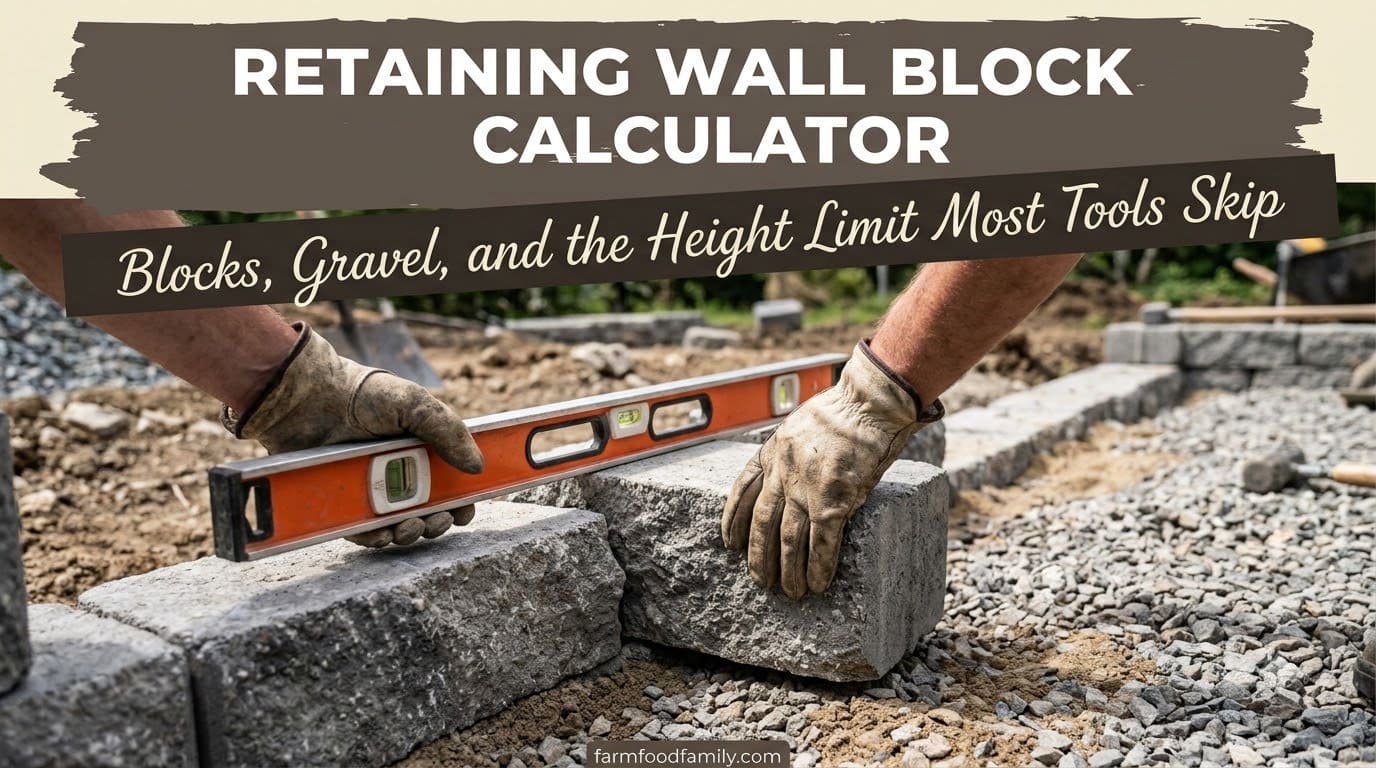 Retaining Wall Block Calculator: Blocks, Gravel, and the Height Limit Most Tools Skip
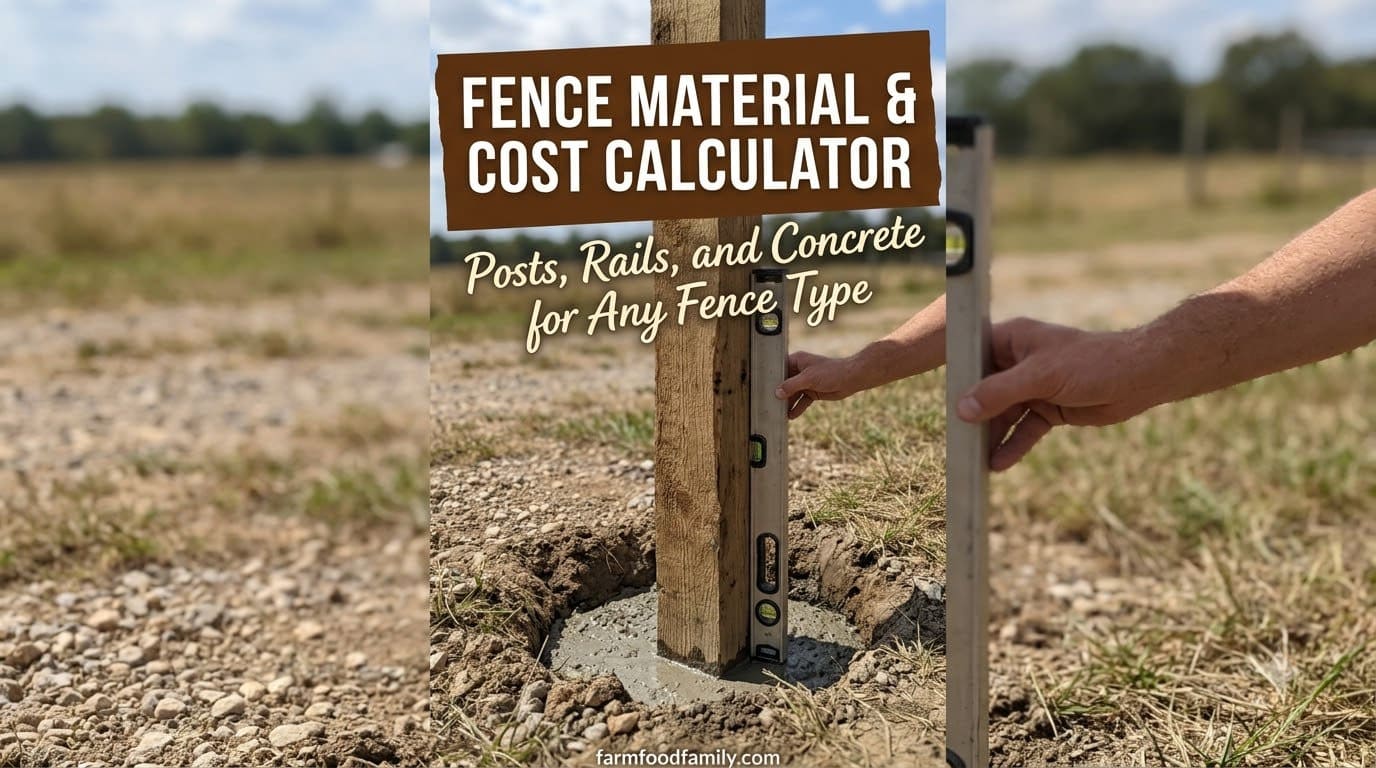 Fence Material & Cost Calculator: Posts, Rails, and Concrete for Any Fence Type